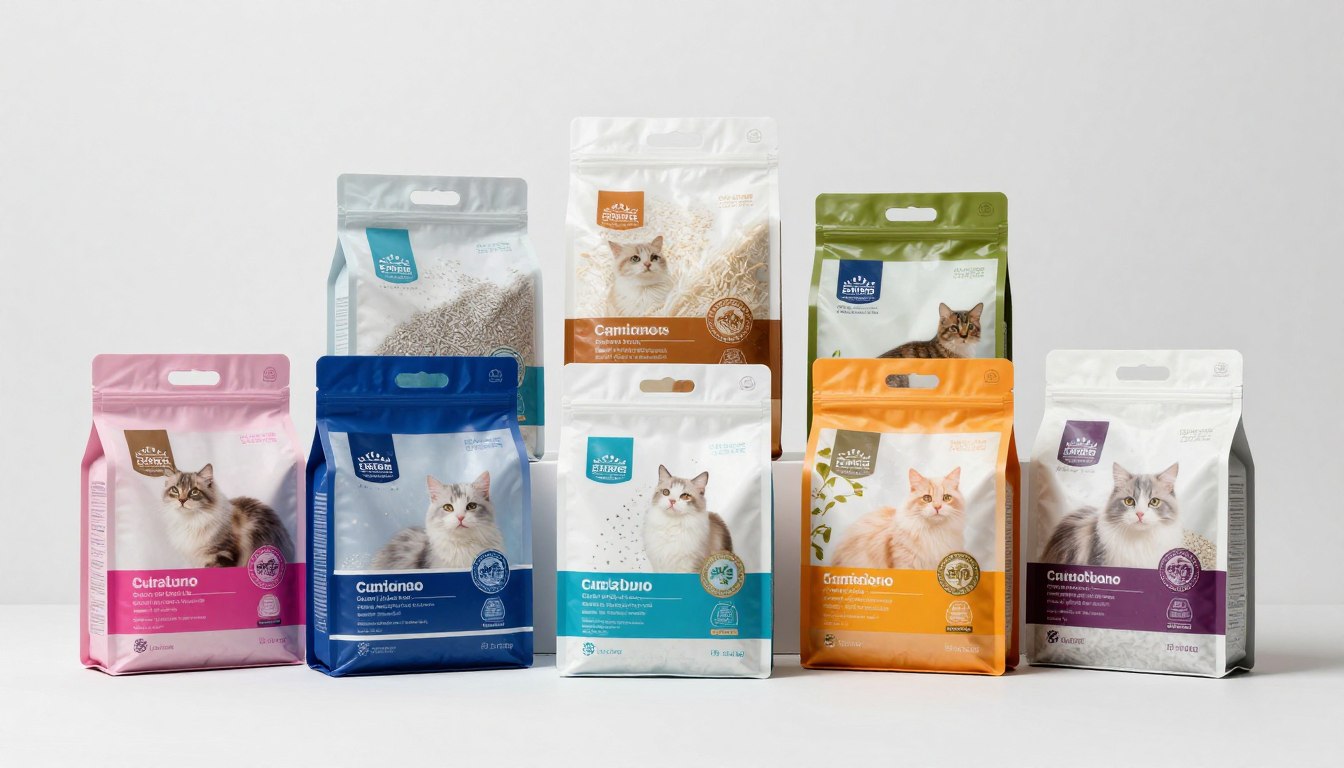
Finding the right cat litter can transform your daily routine from a chore into a manageable task. The best cat litter companies understand that cat owners need products that control odor effectively while minimizing dust and tracking.
Your choice of cat litter impacts your home’s cleanliness and your cat’s health. Different litter types serve different needs.
This comprehensive guide examines the leading cat litter companies in the market today. We’ll explore what makes each brand unique and help you select the perfect litter for your household.
Ready to Find Your Perfect Cat Litter?
Compare top-rated brands from leading manufacturers and discover which litter best suits your cat’s needs and your lifestyle.
Understanding Different Types of Cat Litter
The cat litter market offers several distinct categories. Each type has specific characteristics that appeal to different cat owners and their pets.
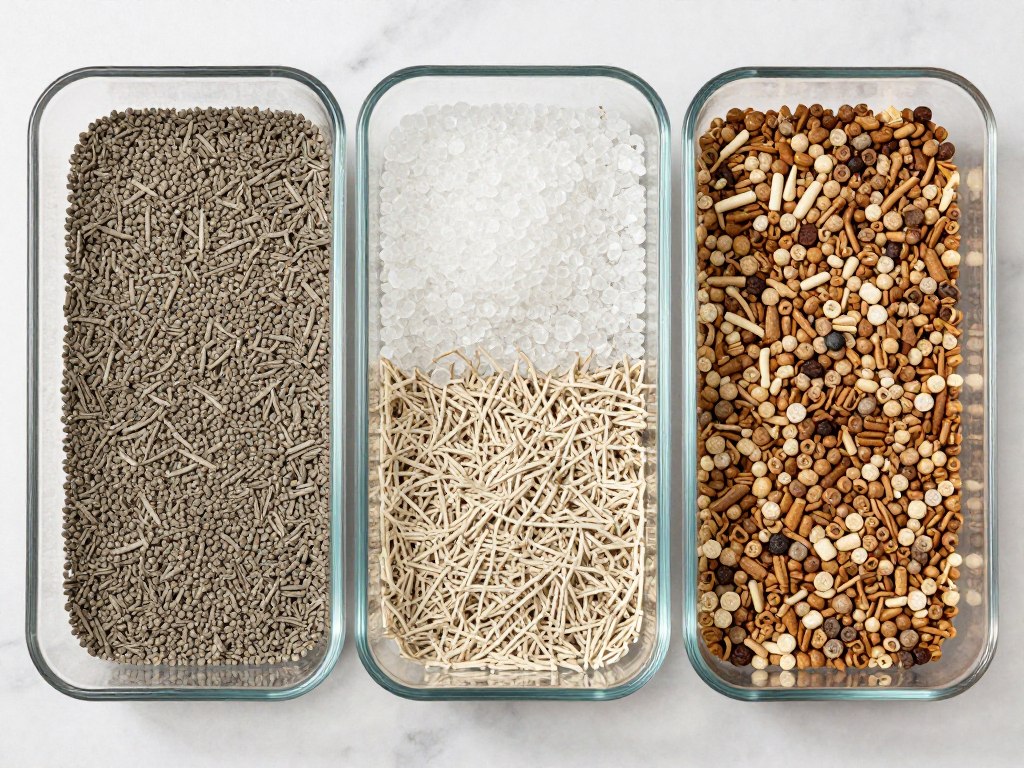
Clumping Clay Cat Litter
Clumping cat litter dominates the market for good reasons. This type forms solid clumps when it contacts moisture.
Most clumping litters use sodium bentonite clay. This material absorbs liquid quickly and creates firm clumps.
Cat owners prefer clumping litter because scooping becomes easier. You remove only the soiled portions rather than changing the entire litter box.
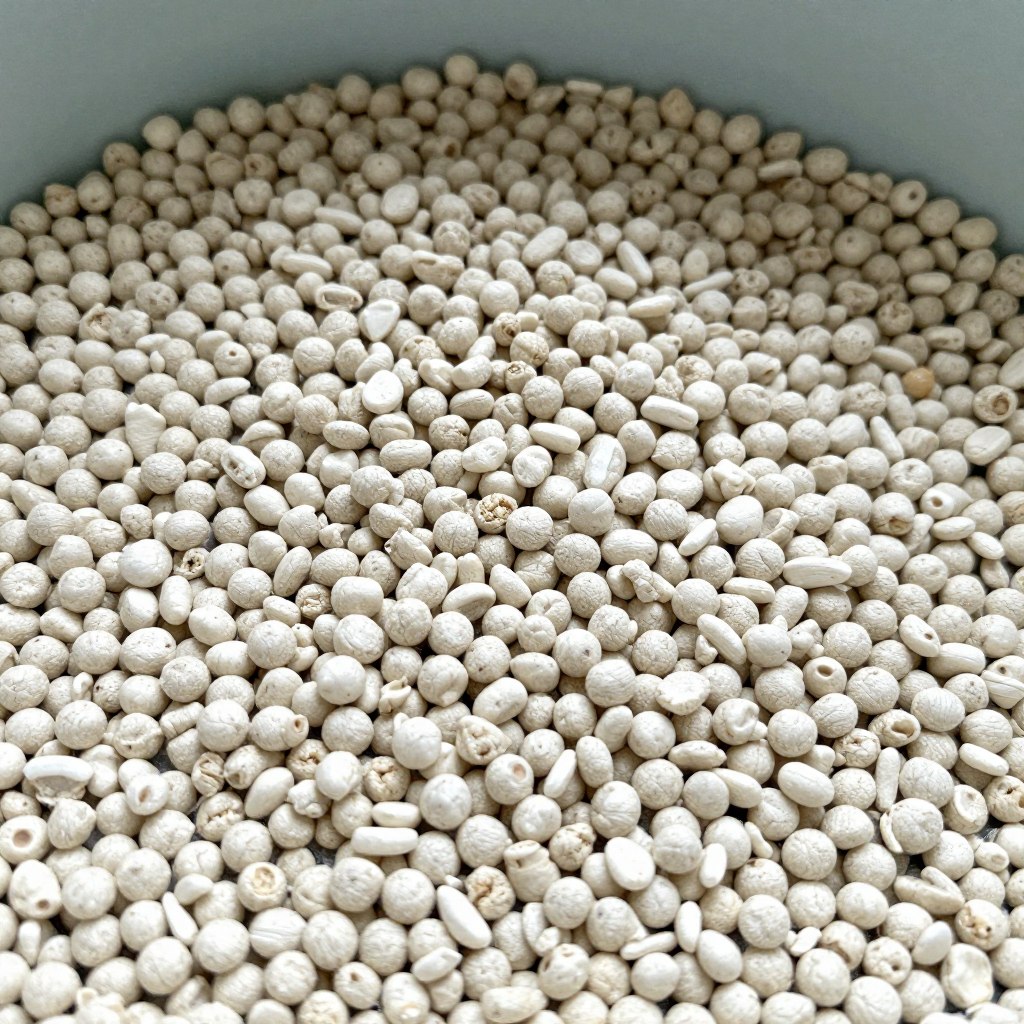
Advantages of Clumping Litter
- Easy waste removal through scooping
- Effective odor control when maintained properly
- Economical – lasts longer than non-clumping options
- Preferred by most cats due to texture
Considerations
- Can produce dust during pouring
- Heavier than alternative materials
- May track outside the box on cat paws
- Not recommended for kittens under 4 months
Non-Clumping Clay Cat Litter
Traditional clay cat litter absorbs moisture without forming clumps. This litter type has been around for decades.
Non-clumping varieties typically cost less per pound than clumping alternatives. However, you need to replace the entire litter box contents more frequently.
These litters work best when you maintain a deeper layer in the box. The bottom layers absorb liquid while top layers remain dry.
Crystal Cat Litter
Silica gel crystals represent a modern approach to cat litter. These products contain tiny beads that absorb moisture and trap odors.
Crystal litter lasts longer than traditional options. A single bag can serve one cat for an entire month.
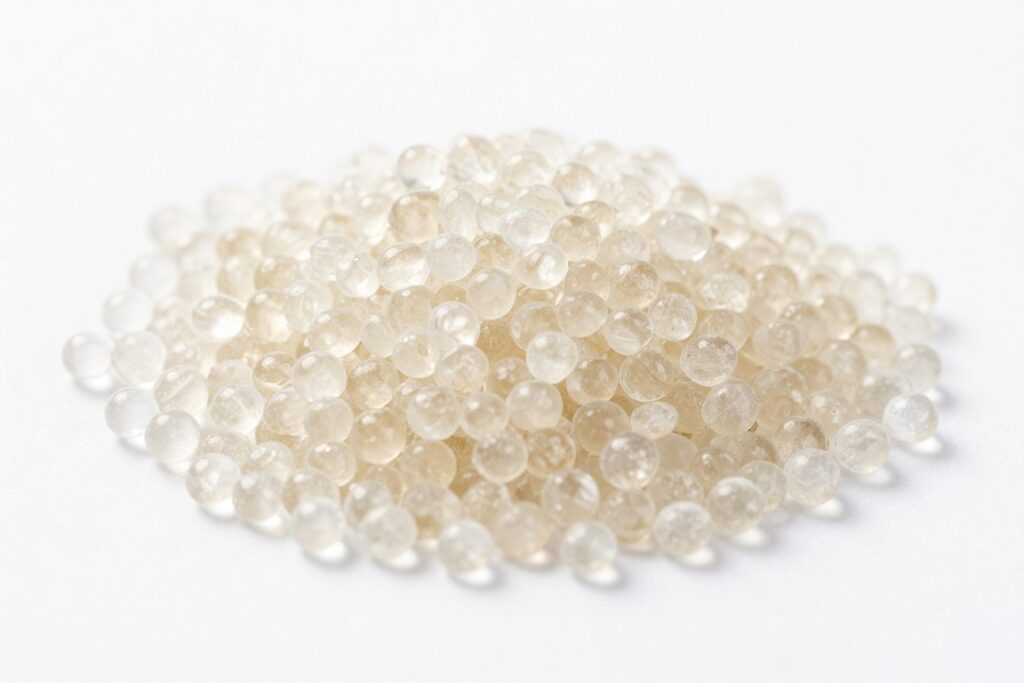
The crystals change color as they absorb urine. This visual indicator helps you know when to refresh the litter box.
Dust levels remain minimal with most crystal litters. This benefit matters for cats and owners with respiratory sensitivities.
Natural and Alternative Cat Litters
Plant-based litters offer eco-friendly alternatives to traditional clay. Manufacturers create these products from renewable materials.
Common materials include recycled paper, wood pellets, corn, wheat, walnut shells, and grass seed. Each material provides unique benefits.
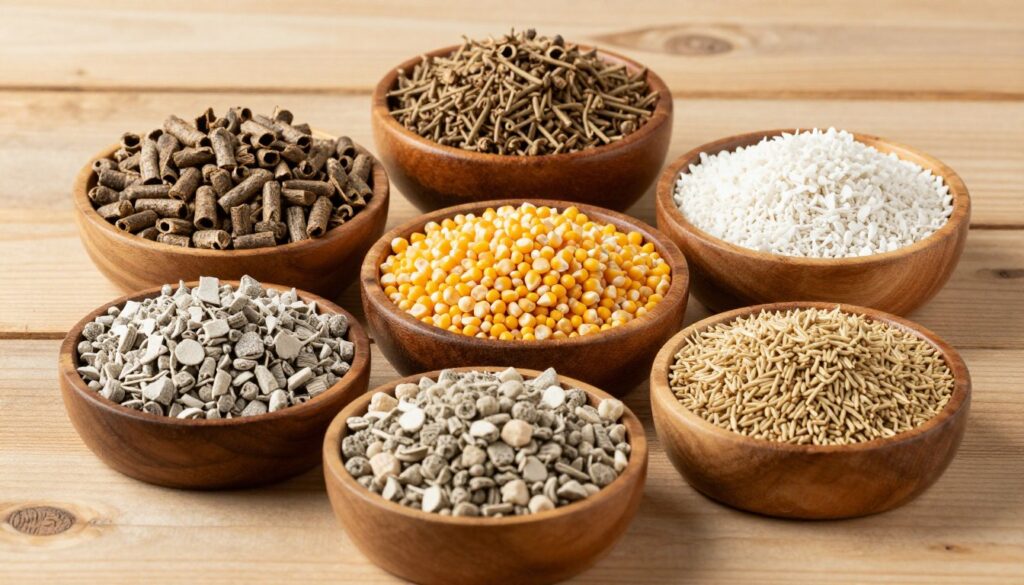
Recycled paper litter produces virtually no dust. This makes it ideal for cats recovering from surgery or those with asthma.
Wood pellets offer natural odor control through pine or cedar oils. These litters break down into sawdust when wet.
Corn and wheat litters provide clumping ability without clay. They’re biodegradable and often flushable in small quantities.
Environmental Note: Natural litters typically decompose in landfills or compost. Clay litter does not break down and requires strip mining to obtain. Consider your environmental impact when selecting cat litter products.
Key Factors When Evaluating Cat Litter Companies
Several important characteristics separate excellent cat litter from mediocre products. Understanding these factors helps you make informed purchasing decisions.
Odor Control Effectiveness
Superior odor control ranks as the top priority for most cat owners. The best cat litter companies invest heavily in odor-fighting technology.
Some brands add baking soda or activated charcoal to neutralize smells. Others use fragrance to mask litter odor.
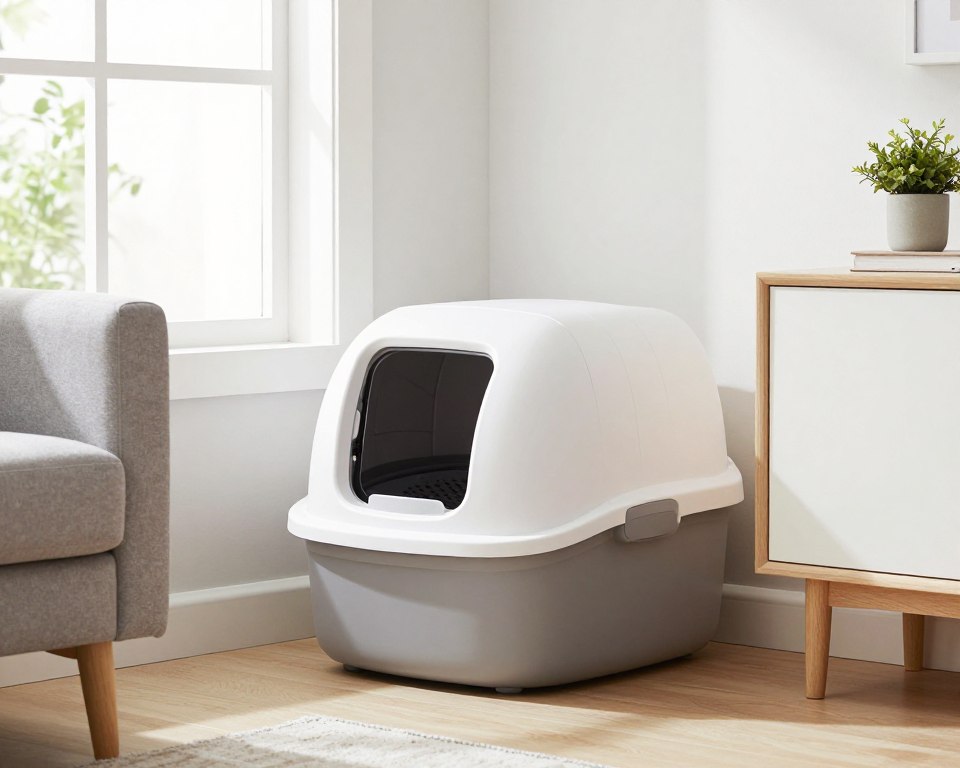
Scented litter appeals to some owners but may deter cats with sensitive noses. Unscented options rely on absorption and clumping to control odor naturally.
The quality of the base material determines how well litter traps and contains smells. Dense clay cat litter typically provides better odor control than lighter materials.
Dust Levels and Air Quality
Dust represents a significant concern for many households. When you pour litter into the box, particles become airborne.
Cats kick up additional dust while covering their waste. This dust settles on nearby surfaces and can affect respiratory health.
Premium cat litter brands use dust-removal processes during manufacturing. Some claim 99% dust-free formulations.
Health Alert: Excessive litter dust can aggravate asthma and allergies in both humans and cats. If family members experience respiratory issues, prioritize low-dust or dust-free options.
Clumping Performance
Strong clumps make daily maintenance significantly easier. Well-formed clumps hold together when scooped and don’t crumble.
The best clumping cat litter creates solid masses within seconds of contact with liquid. Weak clumps break apart and contaminate clean litter.
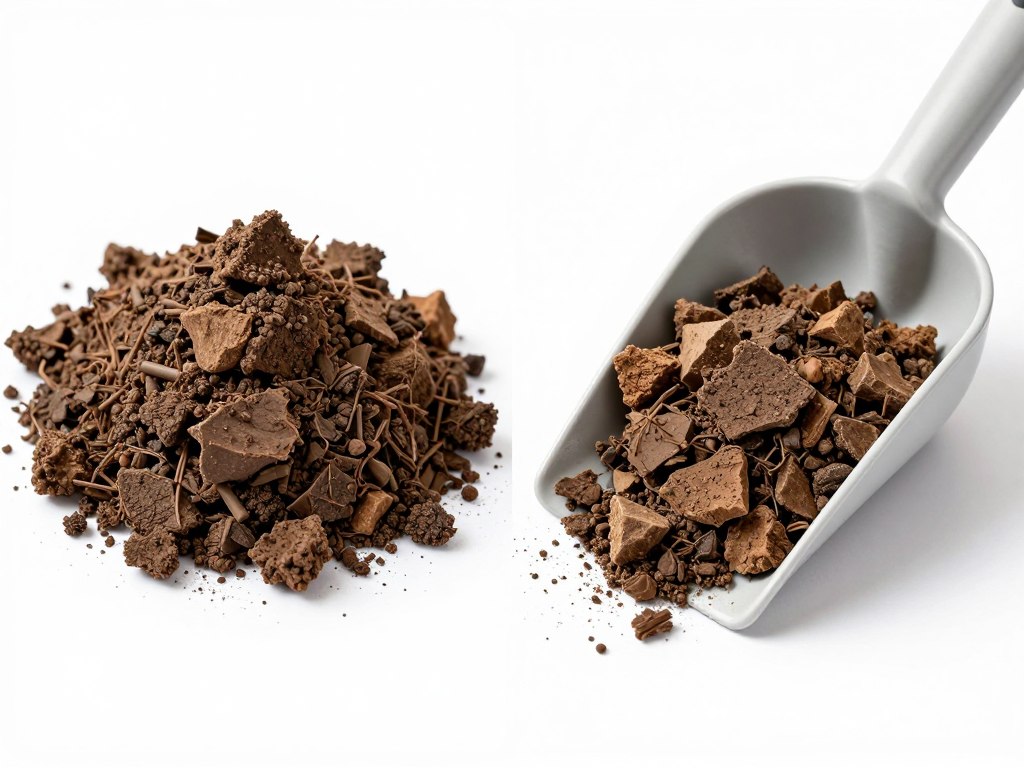
Clump size matters too. Excessively large clumps waste product, while proper clumping preserves more clean litter.
Tracking and Scatter Control
Litter tracking occurs when particles stick to cat paws and spread throughout your home. This creates mess and requires frequent vacuuming.
Granule size influences tracking significantly. Larger pellets track less but some cats dislike the texture. Finer particles feel softer but scatter more easily.
Some companies design low-tracking formulas with specific granule shapes. These products aim to reduce the amount that leaves the litter box.
Value and Cost Per Use
Price per pound doesn’t tell the complete story. Effective litter lasts longer and requires less frequent complete changes.
Calculate cost based on how long one bag serves your household. A premium product at higher per-pound cost may actually prove more economical.
Budget Tip: Track your litter usage over several months. Note how long each bag lasts and calculate monthly costs. This reveals the true value of different brands and helps optimize your budget.
Bulk purchasing often reduces per-pound costs significantly. Many online retailers offer subscription discounts for regular deliveries.
Environmental Impact
Sustainable cat litter options continue gaining popularity. Environmentally conscious cat owners seek products with minimal ecological footprint.
Traditional clay litter comes from strip mining, which damages landscapes. The material doesn’t biodegrade in landfills.
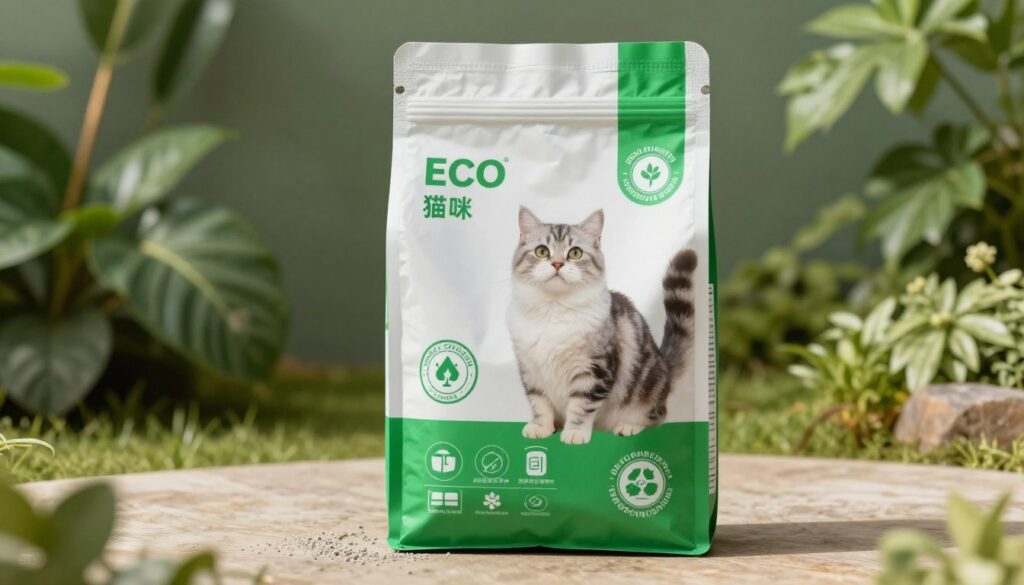
Natural alternatives use renewable resources and decompose more readily. Some plant-based litters can be composted or even flushed safely.
Packaging choices matter too. Companies using recycled materials and minimal plastic demonstrate environmental commitment.
Best Cat Litter Companies: Comprehensive Reviews
The following companies represent the leading manufacturers in the cat litter industry. Each brand brings unique strengths to the market.
Dr. Elsey’s – Premium Clay Litter Specialist
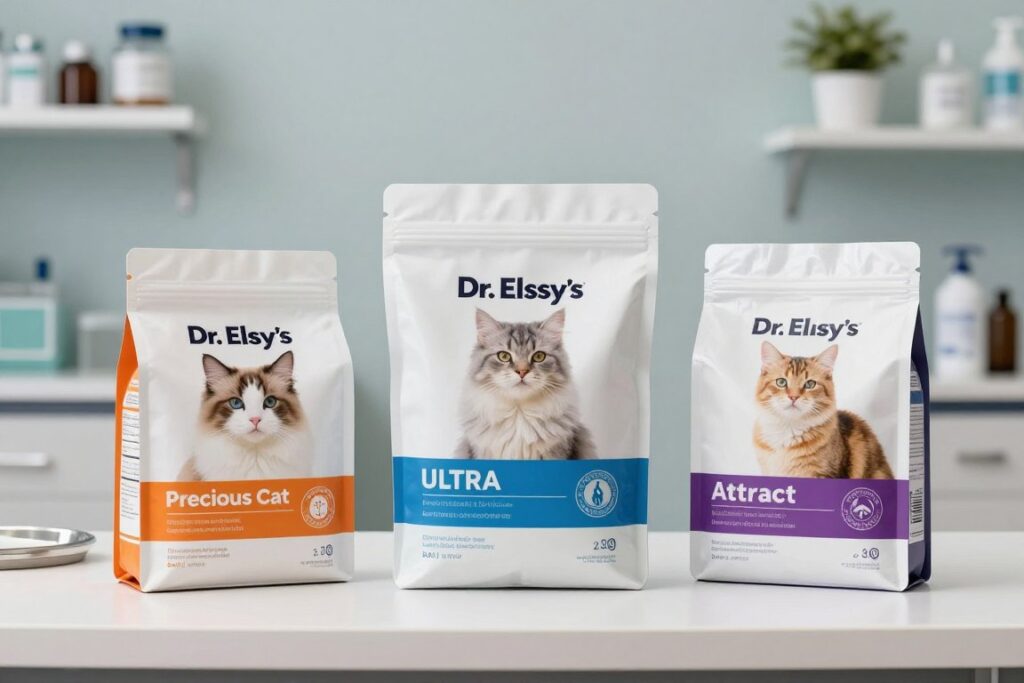
Dr. Elsey’s has earned a reputation for creating some of the best cat litter products available. The company focuses exclusively on litter and litter box solutions.
Founded by a veterinarian, Dr. Elsey’s designs products addressing specific feline behavioral issues. Their formulations consider cat preferences alongside owner convenience.
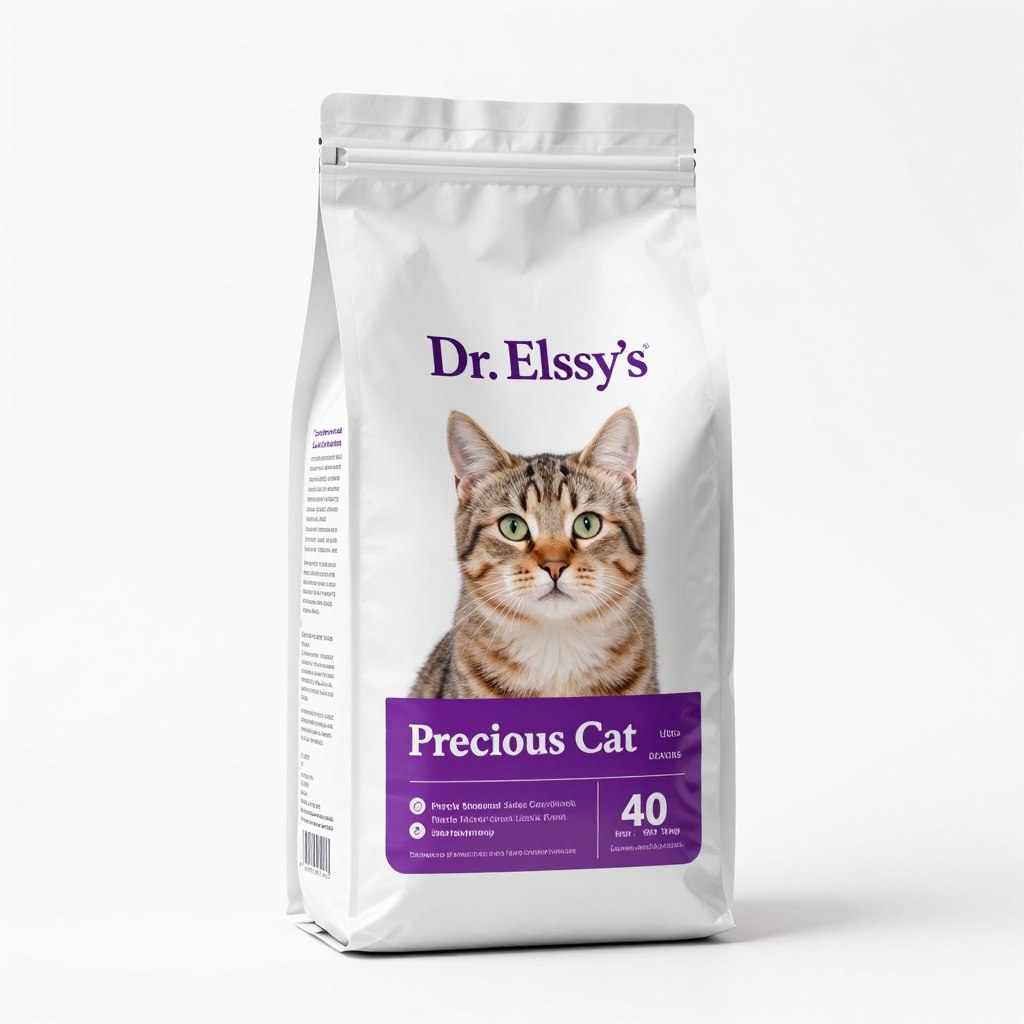
The flagship Precious Cat Ultra combines superior clumping with exceptional odor control. This product uses premium sodium bentonite clay for maximum performance.
Dr. Elsey’s Precious Cat Ultra
Key Features
- 99.9% dust-free formula
- Superior hard clumping ability
- Hypoallergenic formulation
- No plant proteins or perfumes
- Heavy, non-tracking granules
- Ideal for multiple cat households
Best For
- Cat owners with allergies
- Multi-cat homes
- Cats sensitive to fragrances
- Owners prioritizing low dust
Price Range: $18-22 per 40-pound bag
Cost Per Pound: $0.45-0.55
Strengths
- Exceptional odor control even in multi-cat homes
- Rock-hard clumps that don’t break during scooping
- Minimal dust production
- Veterinarian-formulated for cat health
- Long-lasting – one bag serves longer than competitors
Limitations
- Higher price point than basic brands
- Heavy bags can be difficult to carry
- Some tracking reported with enthusiastic diggers
- Not eco-friendly (clay-based)
World’s Best Cat Litter – Corn-Based Innovation
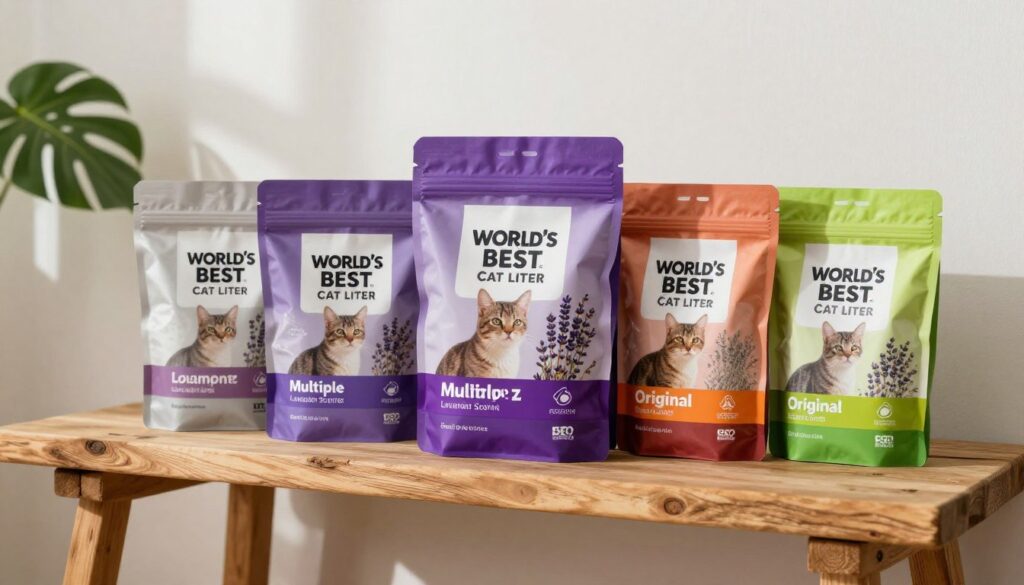
World’s Best Cat Litter pioneered natural clumping litter made from corn. This company proved plant-based materials could compete with traditional clay.
The brand uses compressed corn kernels to create lightweight yet effective litter. Their products clump naturally without added chemicals.
Environmental benefits distinguish World’s Best from clay competitors. The litter is biodegradable and safe for septic systems when flushed in small amounts.
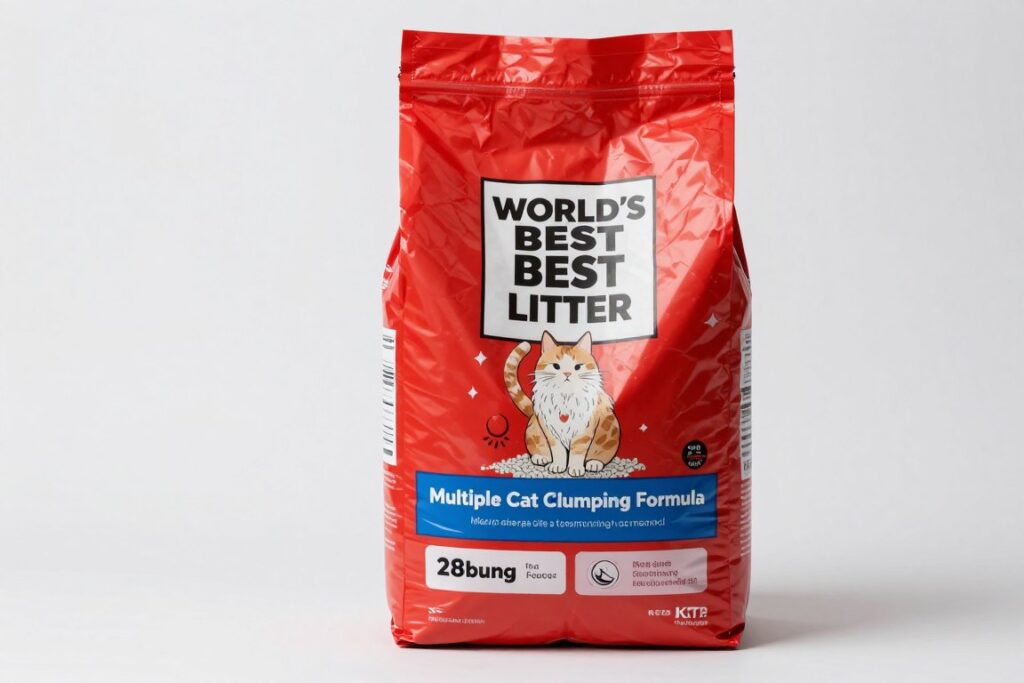
World’s Best Multiple Cat Clumping Formula
Key Features
- Made from whole-kernel corn
- 99% dust-free natural formula
- Flushable and septic-safe
- Outstanding clumping litter performance
- Lightweight – easy to carry
- Natural corn fragrance controls odors
Best For
- Environmentally conscious households
- Cat owners wanting flushable options
- Those seeking natural products
- Households with multiple cats
Price Range: $24-28 per 28-pound bag
Cost Per Pound: $0.85-1.00
Strengths
- Completely natural and biodegradable
- Tight clumps form quickly and stay intact
- Very low dust production
- Pleasant natural corn scent instead of chemical fragrance
- Lightweight makes handling easier
- Safe to flush in small quantities
Limitations
- Higher cost per pound than clay alternatives
- Some cats may be attracted to corn smell and try eating it
- Can track more than heavier clay litters
- Not suitable for cats with corn allergies
- Requires more frequent topping off
Arm & Hammer – Odor-Fighting Leader
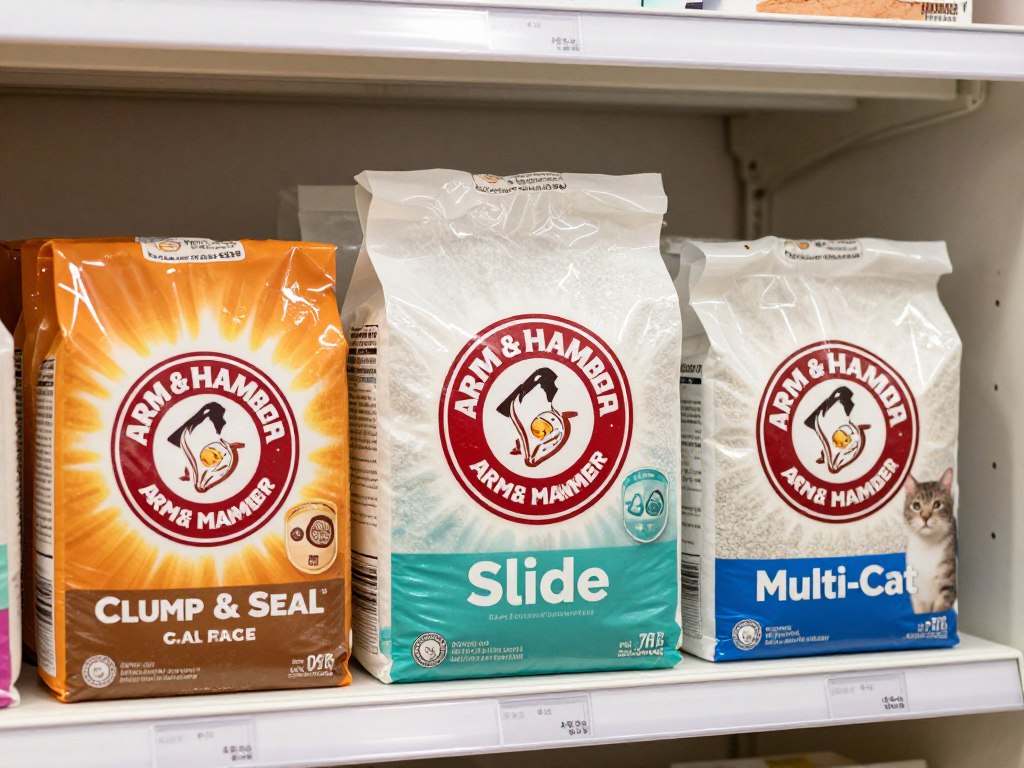
Arm Hammer brings decades of odor-control expertise to cat litter. The company leverages its famous baking soda technology for superior smell elimination.
Their Clump & Seal line represents one of the best cat litter products for odor control. The formula guarantees seven days of odor-free litter boxes.
Arm Hammer offers multiple formulas at various price points. This range makes quality litter accessible to budget-conscious cat owners.
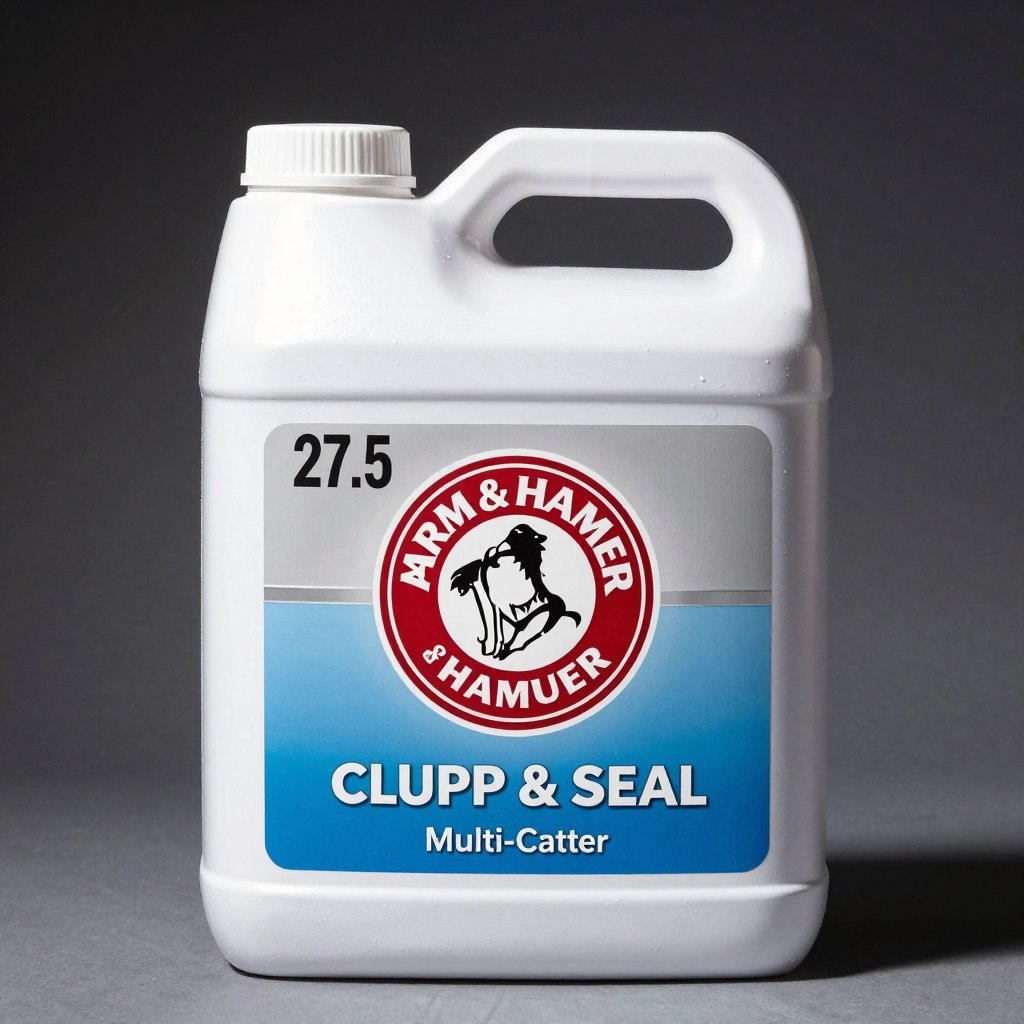
Arm & Hammer Clump & Seal Platinum
Key Features
- Dual odor control with baking soda
- Seals and destroys odors on contact
- 10% more odor eliminators than regular formula
- Strong clumping cat litter formula
- Micro-Guard protection technology
- Seven-day odor control guarantee
Best For
- Homes with severe odor challenges
- Multi-cat households
- Budget-conscious buyers wanting premium performance
- Owners who scoop less frequently
Price Range: $16-20 per 27.5-pound jug
Cost Per Pound: $0.58-0.73
Strengths
- Industry-leading odor control performance
- Excellent value for money
- Widely available in stores
- Convenient jug packaging
- Works well for multiple cat homes
- Pleasant light scent options available
Limitations
- Dustier than premium brands
- Clumps can be softer than competitors
- Noticeable tracking on cat paws
- Some cats dislike the fragrance
- Clay-based – not environmentally friendly
Fresh Step – Advanced Odor Technology
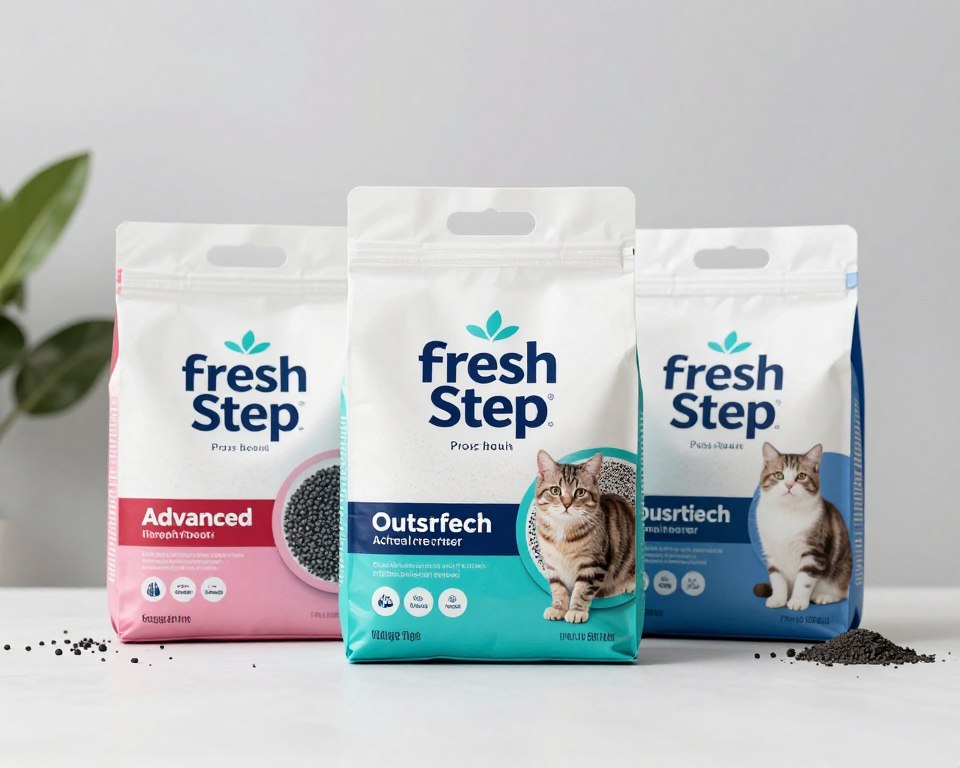
Fresh Step innovates with activated charcoal technology for exceptional odor elimination. The brand offers both clumping and non-clumping varieties.
Their Advanced formula includes Febreze freshness for added odor control. This appeals to cat owners seeking the best possible smell management.
Fresh Step products feature antimicrobial protection that fights bacterial odor in the litter box. This technology works continuously between cleanings.
Fresh Step Advanced Extreme
Key Features
- Activated charcoal for odor absorption
- 10 days of guaranteed odor control
- Febreze freshness technology
- Antimicrobial protection
- Strong clumping performance
- Low dust formulation
Pricing
Price Range: $17-21 per 37-pound container
Cost Per Pound: $0.46-0.57
Tidy Cats – Purina’s Trusted Brand
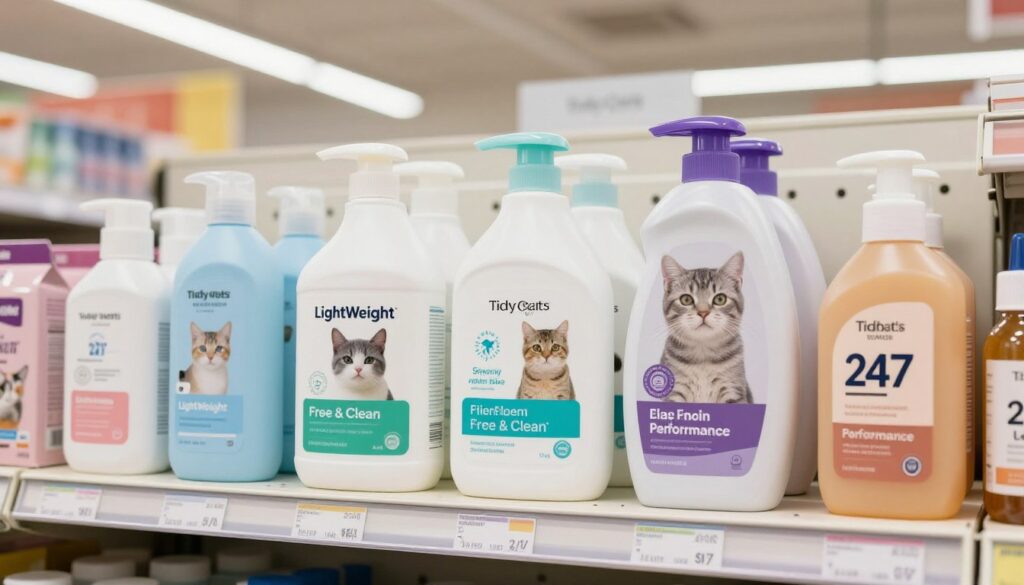
Tidy Cats, manufactured by Purina, ranks among the most recognizable cat litter brands. The company offers extensive product variety for different needs.
Their LightWeight line reduces bag weight by half without sacrificing performance. This innovation helps owners who struggle with heavy traditional litter.
Tidy Cats Free & Clean provides unscented options for sensitive cats. The formula delivers effective odor control without added fragrance.
Tidy Cats 24/7 Performance
Key Features
- Continuous odor control system
- TidyLock protection technology
- Strong, tight clumps
- 99.9% dust-free
- Ammonia blocker
- Available scented and unscented
Pricing
Price Range: $14-18 per 35-pound jug
Cost Per Pound: $0.40-0.51
Ökocat – Wood-Based Natural Alternative
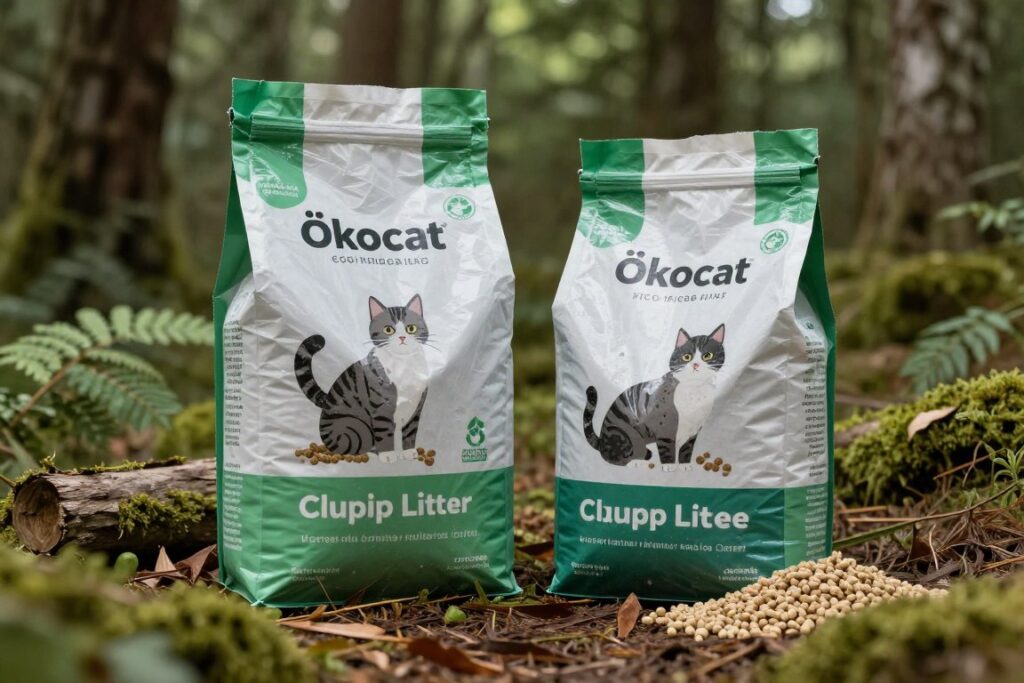
Ökocat creates cat litter from reclaimed lumber and wood fiber. This sustainable approach appeals to environmentally conscious pet owners.
The wood naturally absorbs liquid and controls odors without chemicals. Wood pellets expand to nearly triple their size when wet.
Ökocat products are biodegradable and compostable. They represent one of the most eco-friendly options among best cat litter companies.
Ökocat Natural Wood Clumping
Key Features
- Made from reclaimed wood
- Plant-based clumping ability
- 99% dust-free
- Precision-cut granules reduce tracking
- Biodegradable and compostable
- Natural wood odor control
Pricing
Price Range: $19-24 per 16.7-pound bag
Cost Per Pound: $1.14-1.44
Pretty Litter – Health-Monitoring Innovation
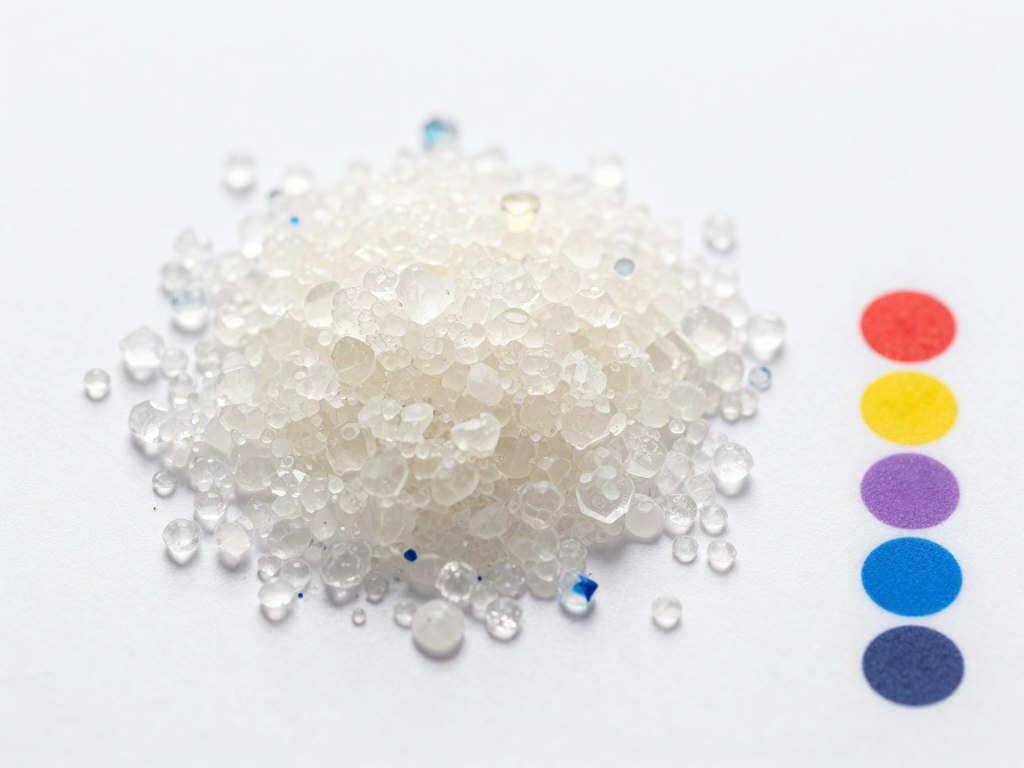
Pretty Litter revolutionizes cat health monitoring through color-changing technology. The silica gel crystals change colors to indicate potential health issues.
Different colors alert owners to urinary tract infections, kidney problems, or other conditions. This early warning system can prompt timely veterinary visits.
The subscription-based model delivers litter monthly. This convenience ensures you never run out of supplies.
Pretty Litter Health Monitoring Formula
Key Features
- Color-changing health detection
- Silica gel crystal formula
- Super lightweight material
- One bag lasts a month per cat
- Virtually dust-free
- Excellent odor control
Pricing
Price: $24 per bag (subscription)
Bag Size: One month supply per cat
sWheat Scoop – Wheat-Based Natural Litter
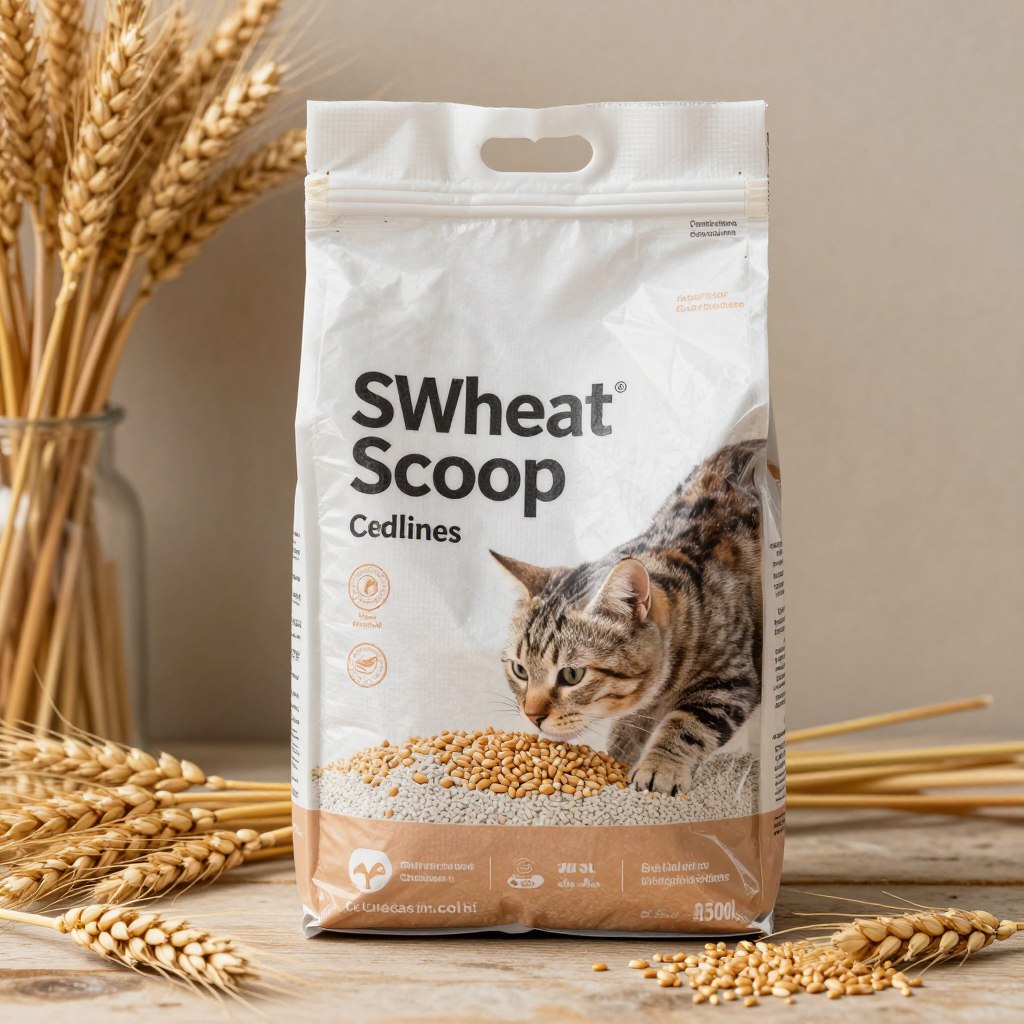
sWheat Scoop uses renewable wheat crops to create effective natural cat litter. The wheat starches provide natural clumping without chemicals.
This brand offers excellent odor control through wheat enzymes that neutralize ammonia. The process works naturally without added fragrances.
The litter is flushable and biodegradable. It breaks down safely in septic systems and compost.
sWheat Scoop Multi-Cat
Key Features
- 100% natural wheat
- Natural enzyme odor control
- Fast-clumping formula
- Flushable and septic-safe
- Low dust production
- Biodegradable materials
Pricing
Price Range: $16-20 per 25-pound bag
Cost Per Pound: $0.64-0.80
Yesterday’s News – Recycled Paper Pellets
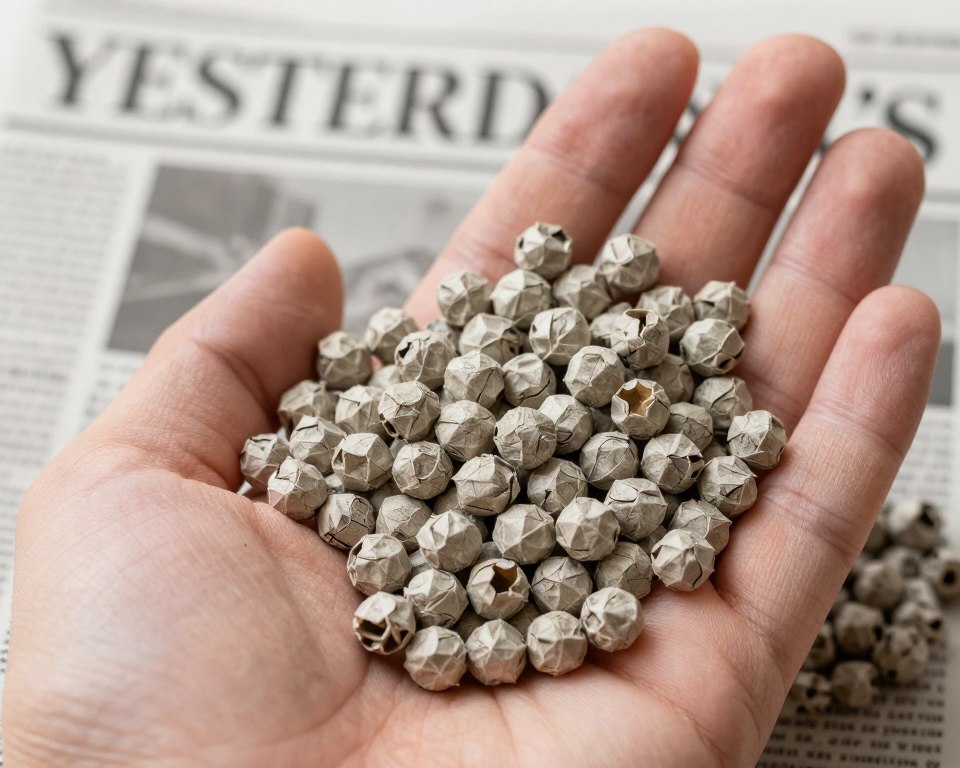
Yesterday’s News transforms recycled paper into absorbent pellets. This product provides dust-free litter ideal for post-surgical cats.
The pellets absorb three times their weight in moisture. They control odor effectively while remaining gentle on sensitive paws.
Veterinarians often recommend this brand after declawing or surgery. The soft pellets won’t irritate healing tissue.
Yesterday’s News Unscented
Key Features
- Made from recycled paper
- Three times more absorbent than clay
- 99.7% dust-free
- Soft on paws
- Non-tracking pellets
- Environmentally responsible
Pricing
Price Range: $13-17 per 30-pound bag
Cost Per Pound: $0.43-0.57
SmartCat – All-Natural Grass Litter
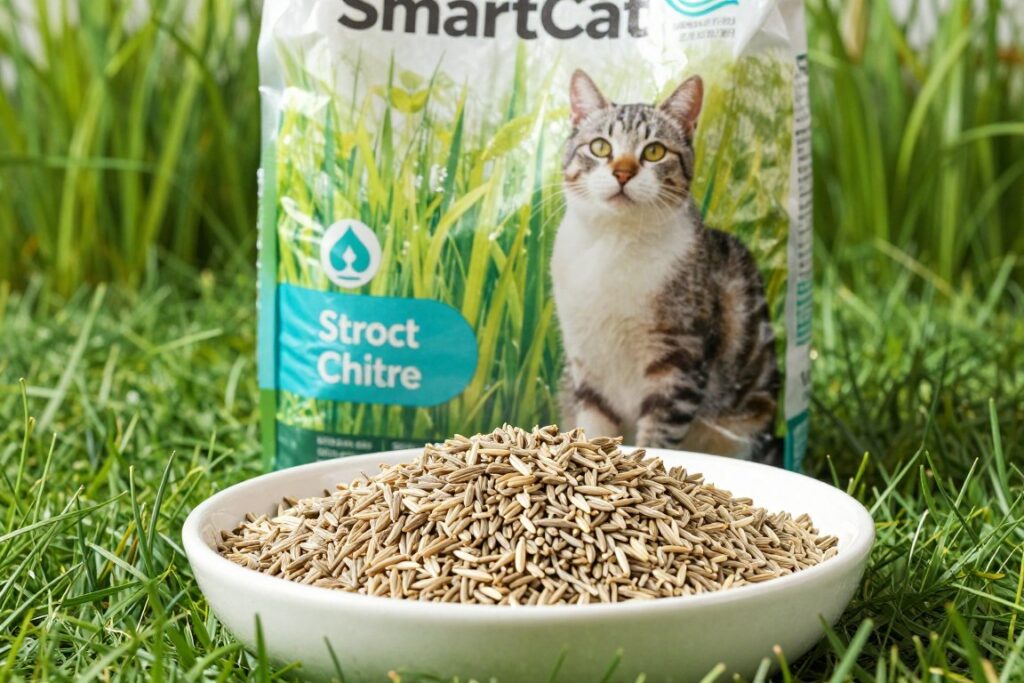
SmartCat creates litter from renewable grass seed. This unique material provides lightweight yet effective performance.
The grass clumps naturally and controls odors through plant-based absorption. The material produces minimal dust and tracking.
This brand appeals to owners seeking truly natural options. The litter is biodegradable and safe for the environment.
SmartCat All Natural Clumping
Key Features
- Made from grass seed
- Quick-clumping formula
- 99% dust-free
- Lightweight material
- Biodegradable and renewable
- Natural odor control
Pricing
Price Range: $18-23 per 20-pound bag
Cost Per Pound: $0.90-1.15
Find Your Ideal Cat Litter Today
Compare features, prices, and benefits across all top brands. Make an informed decision that keeps your cat happy and your home fresh.
Cat Litter Company Comparison Guide
Direct comparison helps identify which cat litter best matches your specific requirements. The following analysis examines key performance factors across leading brands.
Comprehensive Brand Comparison Table
| Brand | Type | Odor Control | Clumping | Dust Level | Price/lb | Eco-Friendly |
| Dr. Elsey’s Ultra | Clay | Excellent | Superior | Very Low | $0.45-0.55 | No |
| World’s Best | Corn | Very Good | Excellent | Very Low | $0.85-1.00 | Yes |
| Arm & Hammer | Clay | Excellent | Good | Moderate | $0.58-0.73 | No |
| Fresh Step | Clay | Excellent | Very Good | Low | $0.46-0.57 | No |
| Tidy Cats | Clay | Very Good | Good | Very Low | $0.40-0.51 | No |
| Ökocat | Wood | Very Good | Good | Very Low | $1.14-1.44 | Yes |
| Pretty Litter | Crystal | Excellent | N/A | Very Low | Premium | Moderate |
| sWheat Scoop | Wheat | Very Good | Good | Low | $0.64-0.80 | Yes |
| Yesterday’s News | Paper | Good | Fair | Minimal | $0.43-0.57 | Yes |
| SmartCat | Grass | Very Good | Very Good | Very Low | $0.90-1.15 | Yes |
Performance Categories Explained
Odor Control Rankings
Odor control effectiveness determines how well litter manages unpleasant smells between cleanings.
- Excellent: Controls odors for 7+ days
- Very Good: Manages odors for 5-7 days
- Good: Effective for 3-5 days
- Fair: Requires daily maintenance
Clumping Performance
Clumping quality affects ease of scooping and overall litter longevity.
- Superior: Rock-hard clumps that never break
- Excellent: Very firm clumps, minimal breakage
- Very Good: Solid clumps with occasional issues
- Good: Adequate clumping for daily use
Dust Level Assessment
Dust production impacts air quality and respiratory health for both cats and humans.
- Minimal: Virtually no visible dust
- Very Low: 99%+ dust-free claims
- Low: Minimal dust with careful pouring
- Moderate: Noticeable dust clouds
Environmental Impact
Eco-friendliness considers materials, production methods, and biodegradability.
- Yes: Renewable, biodegradable materials
- Moderate: Some sustainable practices
- No: Non-renewable clay or synthetic materials
- Unknown: Limited environmental information
Best Value Recommendations by Category
Best Overall Value

Tidy Cats 24/7 Performance
Combines reliable performance with affordable pricing. Excellent for budget-conscious households seeking dependable odor control.
Best Premium Performance
Dr. Elsey’s Precious Cat Ultra
Superior clumping and odor control justify the higher price. Ideal for multi-cat homes requiring maximum performance.
Best Eco-Friendly Option
World’s Best Cat Litter
Natural corn formula delivers excellent performance while remaining biodegradable. Perfect for environmentally conscious owners.
Complete Cat Litter Buying Guide
Selecting the right cat litter involves considering multiple factors. This guide helps you navigate the decision-making process.
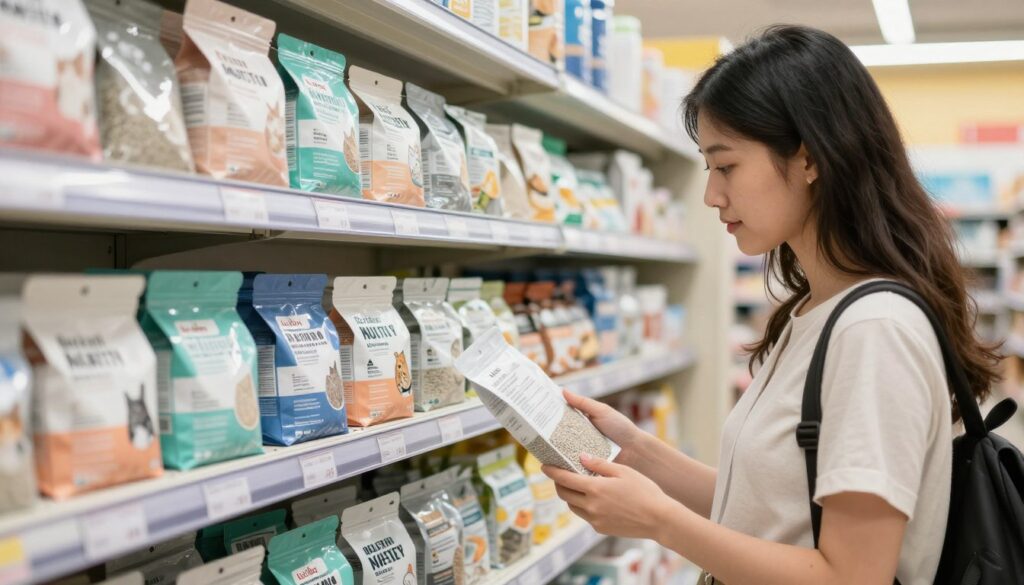
Matching Litter to Your Household
Your living situation significantly impacts which cat litter works best. Consider these household factors before purchasing.
Single Cat vs. Multiple Cats
Single-cat households have more flexibility in litter selection. Most products perform adequately with just one cat using the litter box.
Multiple cat homes require litter with superior odor control and clumping ability. Heavy use tests performance limits quickly.
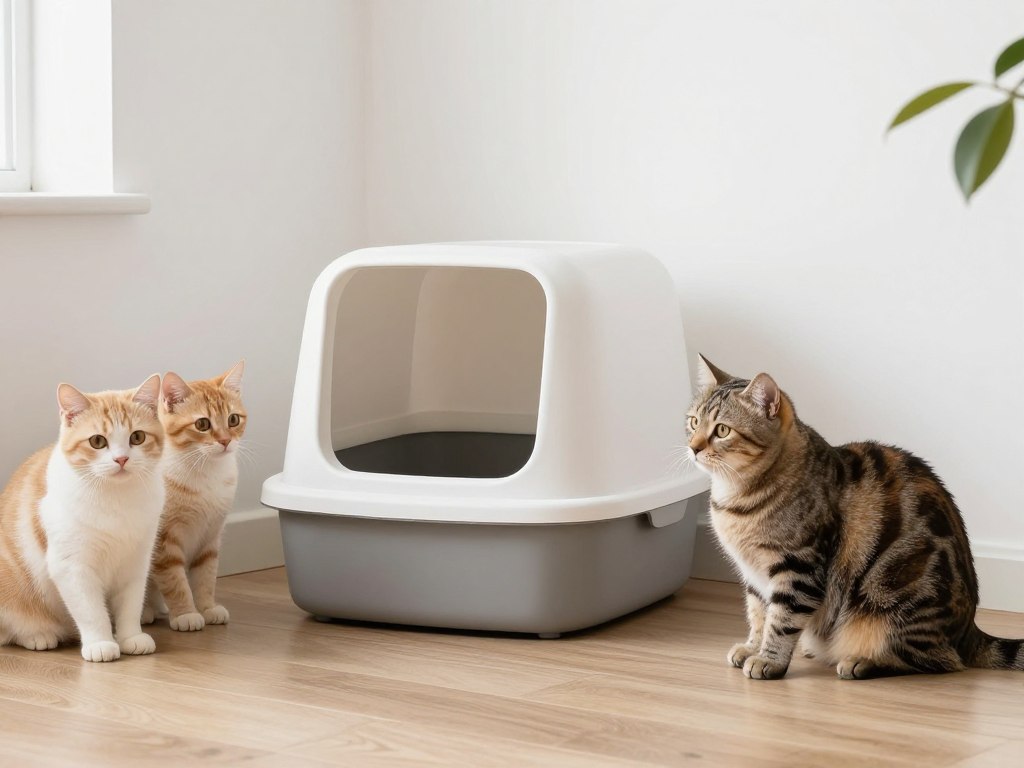
Budget calculations change with multiple cats. You’ll use significantly more litter per month.
Consider premium brands for multi-cat homes. Better performance per pound often justifies higher initial costs.
Apartment Living Considerations
Apartment dwellers prioritize odor control above most other factors. Limited space means litter boxes stay closer to living areas.
Low-tracking formulas matter more in apartments. You want minimal spread across floors and carpets.
Weight becomes important when carrying bags up stairs. Lightweight options or delivery services solve this challenge.
Homes with Children or Allergy Sufferers
Households with young children should avoid scented litter and opt for dust-free formulas. Children often play near litter boxes.
Allergy and asthma sufferers need dust-free or low-dust products. Clay litter dust can trigger respiratory symptoms.
Natural litters made from recycled paper or wood produce minimal airborne particles. These options support better air quality.
Understanding Your Cat’s Preferences
Cats have strong opinions about litter texture and scent. Ignoring their preferences can lead to litter box avoidance.
Texture Preferences
Most cats prefer fine-grained litter that resembles sand. This texture feels natural under their paws.
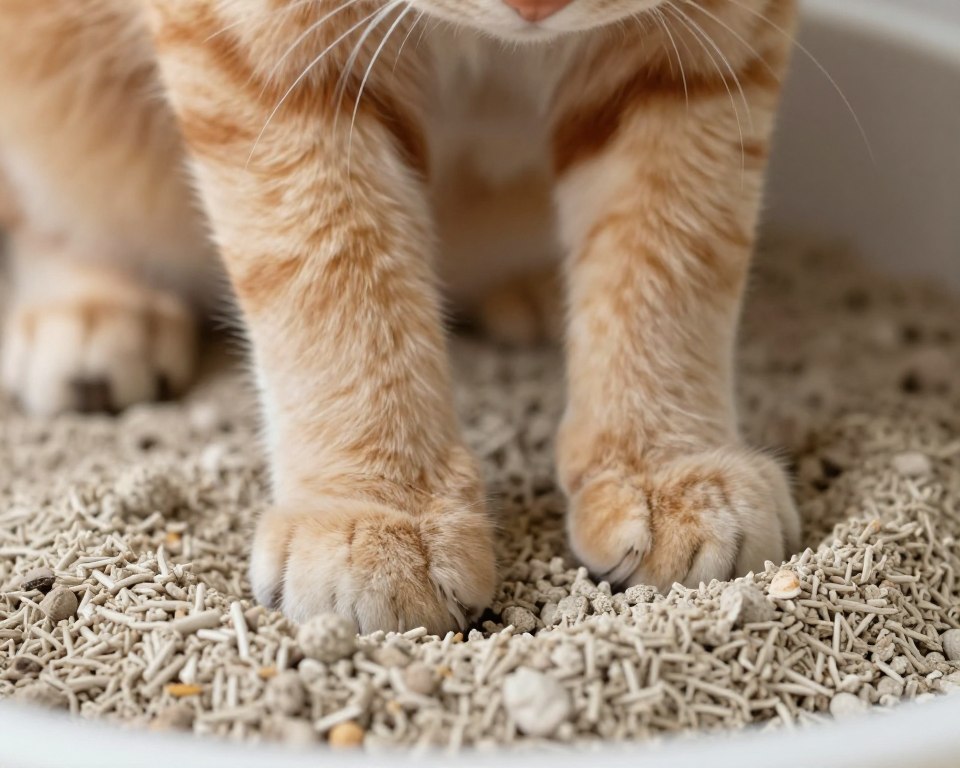
Some cats adapt to pellets or larger granules. Others refuse to use anything but fine particles.
Declawed cats need extra-soft litter. Rough textures cause discomfort on sensitive paws.
Scent Sensitivity
Many cats dislike strong fragrances in their litter. Heavy perfumes can deter box use.
Unscented litter appeals to cats with sensitive noses. The absence of fragrance doesn’t mean poor odor control.
Lightly scented options provide middle ground. Natural scents like lavender may prove less offensive than chemical fragrances.
Depth and Box Filling
Litter depth affects cat comfort and litter performance. Most brands recommend specific depths.
Clumping litter typically needs 2-3 inches of depth. This allows proper clump formation below the surface.
Non-clumping varieties work best at 3-4 inches. Greater depth provides better absorption capacity.
Budget Planning and Cost Analysis
Understanding true litter costs requires looking beyond per-bag prices. Calculate monthly expenses for accurate budgeting.
Calculating Monthly Litter Costs
- Budget Option: $15-20/month
- Mid-Range: $25-35/month
- Premium: $40-55/month
- Natural/Eco: $35-50/month
Single Cat Household
- Budget Option: $30-40/month
- Mid-Range: $50-70/month
- Premium: $75-100/month
- Natural/Eco: $70-95/month
Two Cat Household
- Budget Option: $50-65/month
- Mid-Range: $75-105/month
- Premium: $110-150/month
- Natural/Eco: $100-140/month
Three+ Cat Household
Money-Saving Strategies
Smart shopping reduces litter expenses without sacrificing quality. Several strategies help maximize your budget.
- Buy in bulk when prices drop – stock up during sales
- Subscribe for automatic delivery discounts (typically 5-15% off)
- Join loyalty programs at major pet retailers
- Compare per-pound costs rather than per-bag prices
- Test premium brands that last longer – initial cost may be offset by longevity
- Maintain litter boxes properly to extend product life
- Use litter box liners to reduce waste during changes
Pro Tip: Track your exact litter usage for three months. Record dates when you buy new bags and how long they last. This data reveals your true monthly needs and helps identify the most economical option for your specific situation.
Storage and Handling Tips
Proper storage maintains litter quality and makes daily use more convenient. Follow these best practices.
Storage Solutions
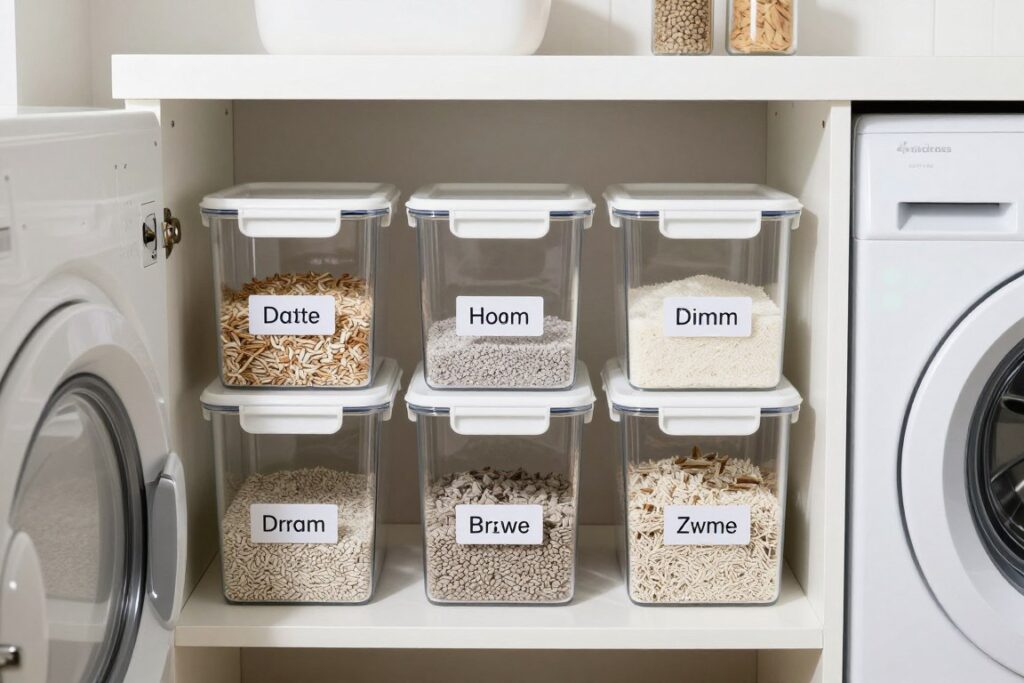
Keep litter in a dry location away from moisture. Humidity can affect clumping ability and promote bacterial growth.
Airtight containers prevent odors from escaping and dust from spreading. They also protect against moisture and pests.
Store bags off the floor to prevent water damage from leaks or spills. Shelving or raised platforms work well.
Safe Handling Practices
Wash hands thoroughly after handling cat litter. This prevents potential parasite transmission.
Pregnant women should avoid litter box duties when possible. Toxoplasmosis poses risks during pregnancy.
Wear a dust mask when pouring dusty litters. This protects respiratory health during setup.
Scoop waste into sealed bags before disposal. This contains odors and prevents spread of bacteria.
Ready to Choose Your Perfect Cat Litter?
Use our comprehensive comparison guide and expert recommendations to find the ideal litter for your household needs and budget.
Litter Box Maintenance Best Practices
Even the best cat litter requires proper maintenance. These practices ensure optimal performance and cat satisfaction.
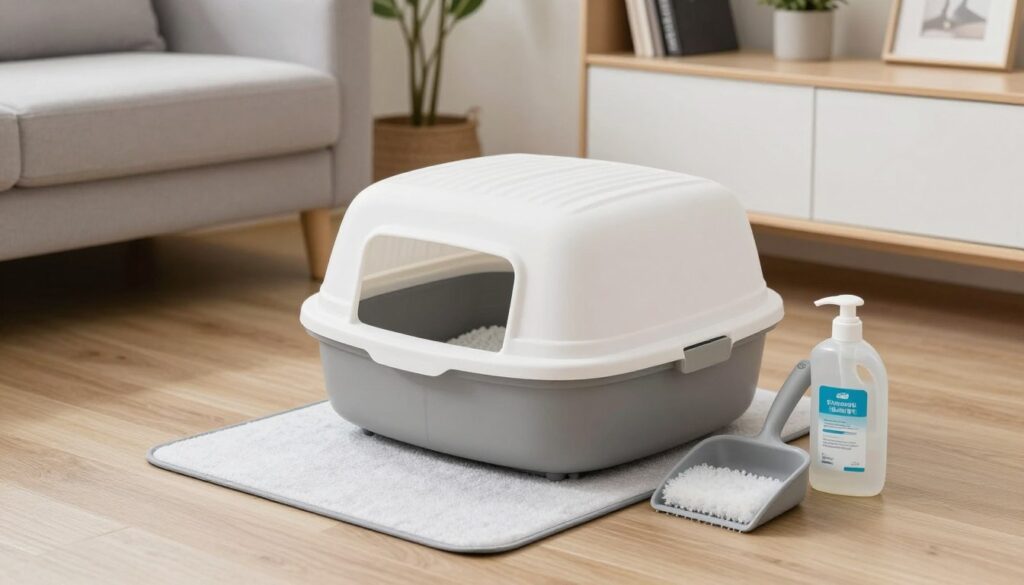
Daily Maintenance Routine
Daily scooping represents the most important litter box task. Remove solid waste and clumps at least once per day.
Multi-cat households benefit from twice-daily scooping. This maintains freshness and encourages consistent litter box use.
- Scoop all solid waste and urine clumps completely
- Check litter depth and add fresh litter as needed
- Wipe box edges and remove stuck-on debris
- Dispose of waste in sealed bags
- Wash the scoop weekly to prevent odor buildup
Weekly Deep Cleaning
Complete litter replacement depends on litter type and household size. Most clumping litters need full changes monthly.
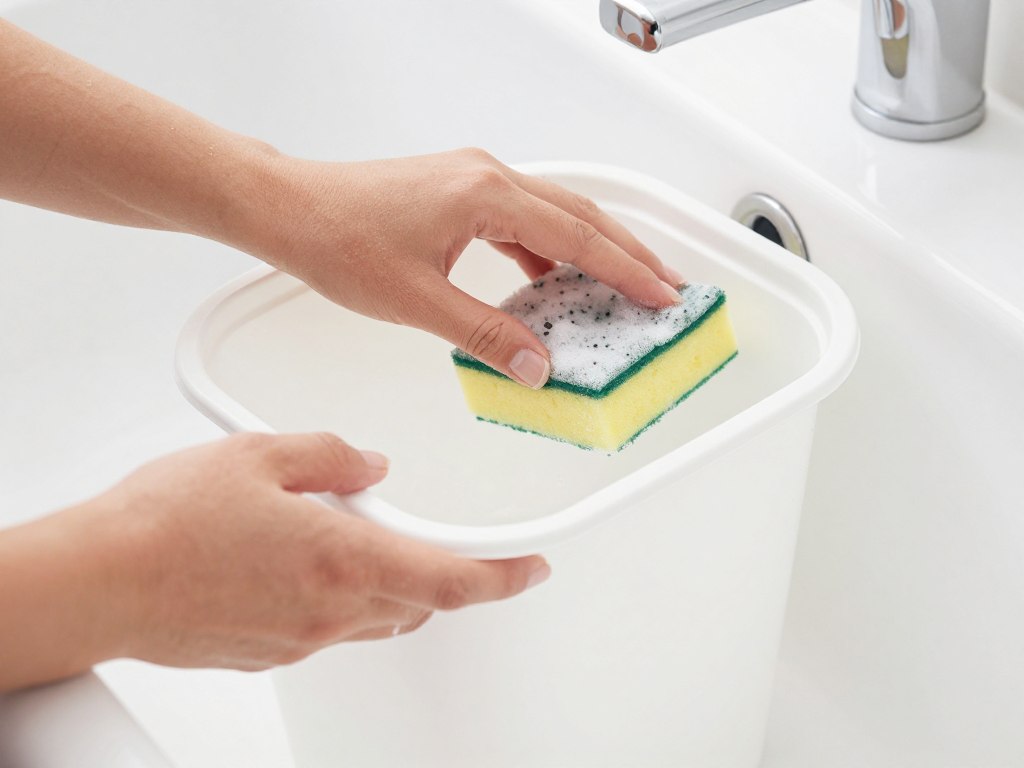
Empty the box entirely during weekly cleaning. Wash with mild soap and warm water.
Avoid harsh chemicals or strong-smelling cleaners. Cats may refuse boxes with chemical odors.
Dry the box completely before refilling. Moisture prevents proper clumping and encourages bacteria.
Optimizing Litter Performance
Small adjustments improve how well your chosen litter performs. These tips maximize odor control and longevity.
- Maintain proper litter depth for your specific product
- Stir litter gently after scooping to distribute clean material
- Place boxes in well-ventilated areas
- Use litter box liners for easier complete changes
- Position litter mats outside boxes to reduce tracking
- Keep boxes away from food and water dishes
- Provide one box per cat plus one extra
Troubleshooting Common Issues
Even quality litter sometimes presents challenges. Identify and resolve common problems quickly.
Excessive Odor Despite Regular Cleaning
Persistent smell indicates bacteria buildup in the box itself. Complete cleaning with enzymatic cleaner eliminates odor sources.
Consider switching to a litter with stronger odor control. Your current product may not match your household needs.
Increase scooping frequency or add a second litter box. Heavy use overwhelms even premium litters.
Weak Clumps That Fall Apart
Insufficient litter depth prevents proper clump formation. Add more product to reach recommended levels.
Old litter loses clumping effectiveness over time. Replace completely rather than topping off indefinitely.
High humidity affects some litters. Store bags in dry locations and keep boxes away from bathrooms.
Excessive Tracking Throughout Home
Litter tracking frustrates many cat owners. Several solutions reduce spread significantly.
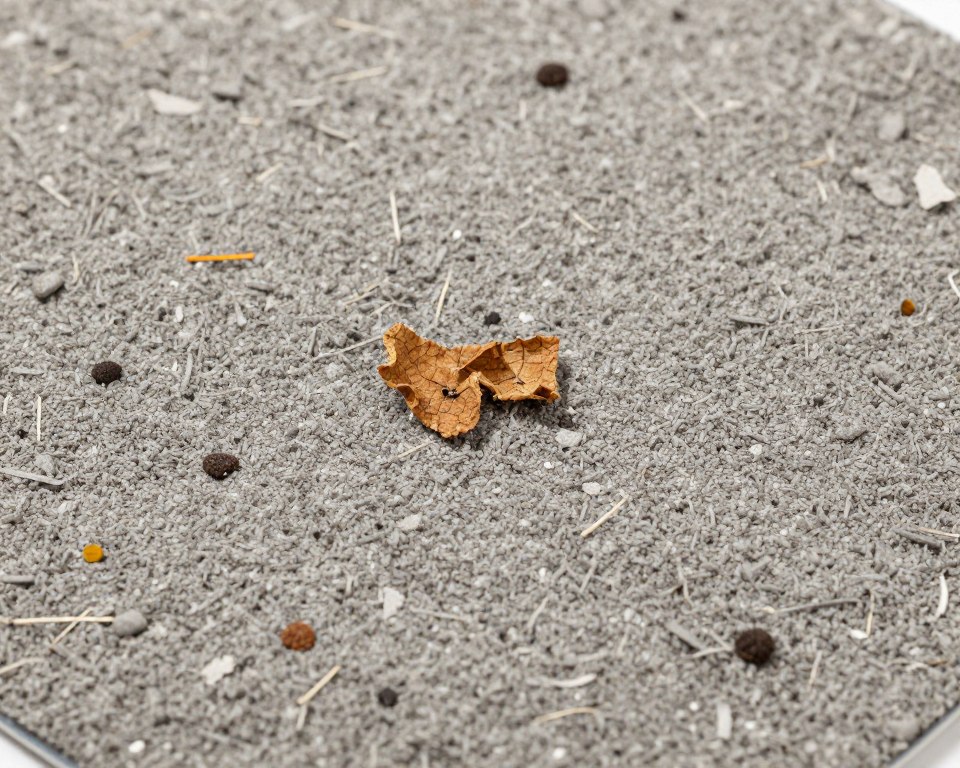
Place large mats with deep grooves outside boxes. These catch particles before cats walk away.
Top-entry boxes force cats to climb out, naturally dislodging stuck litter back into the box.
Switch to larger granules or pellets if your cat accepts the texture. Bigger particles track less readily.
Cat Avoiding the Litter Box
Litter box avoidance requires immediate attention. Medical issues should be ruled out first.
Cats may reject strongly scented litters. Switch to unscented options if you recently changed brands.
Dirty boxes deter fastidious cats. Increase cleaning frequency and ensure boxes stay fresh.
Some cats dislike covered boxes or specific textures. Experiment with different box styles and litter types.
Environmental Impact of Cat Litter Choices
Cat litter consumption creates significant environmental impact. Understanding these effects helps you make informed choices.
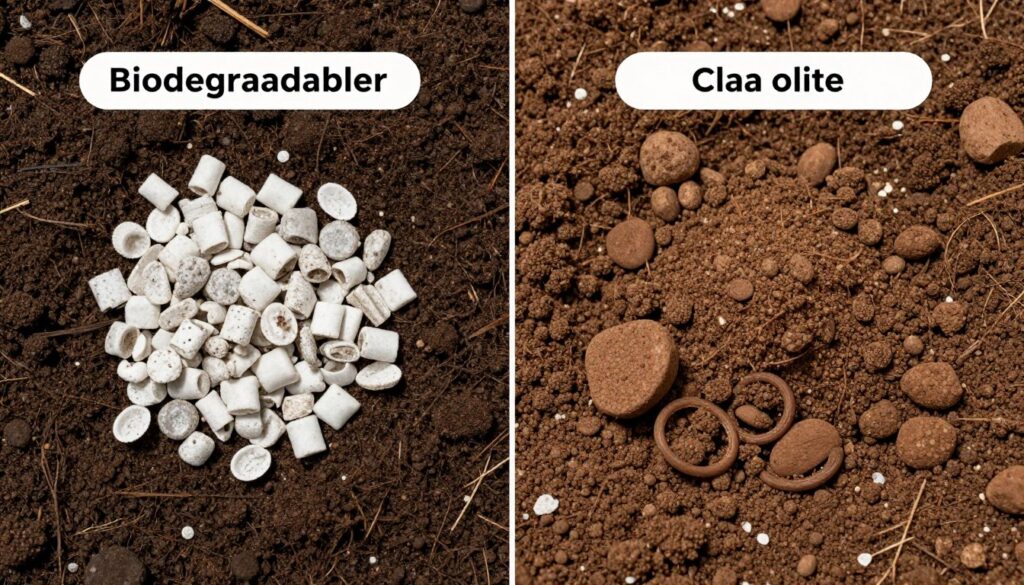
Clay Mining and Environmental Concerns
Traditional clay cat litter requires strip mining for sodium bentonite extraction. This process removes topsoil and damages ecosystems.
Clay mining operations disrupt wildlife habitats and alter natural drainage patterns. The environmental cost extends beyond the mining site.
Bentonite clay doesn’t biodegrade in landfills. Billions of pounds accumulate annually in waste facilities.
Transportation of heavy clay products increases carbon emissions. Clay litter weighs significantly more than plant-based alternatives.
Sustainable Alternative Materials
Plant-based litters offer renewable options with lower environmental impact. These materials come from sustainable sources.
Recycled Paper
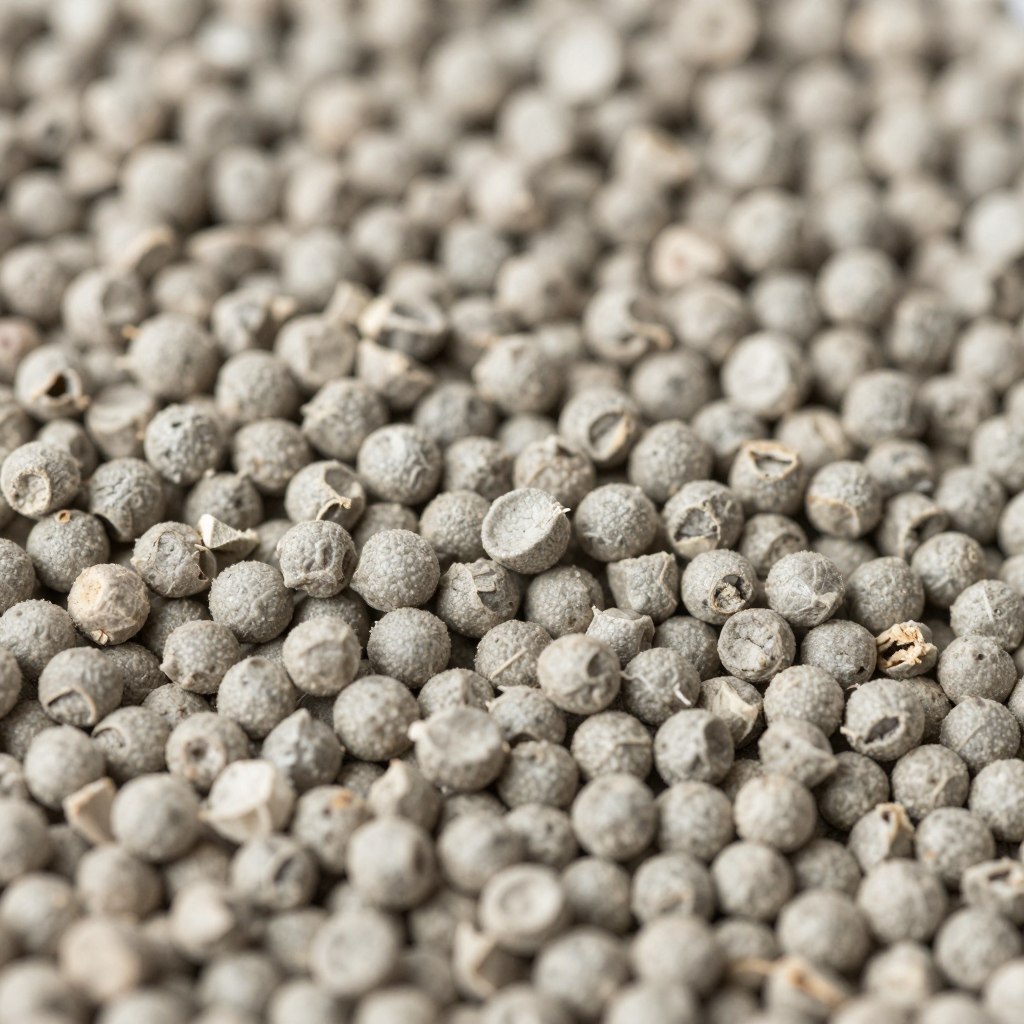
Diverts paper waste from landfills. Uses post-consumer recycled materials. Biodegradable and compostable.
Wood By-Products
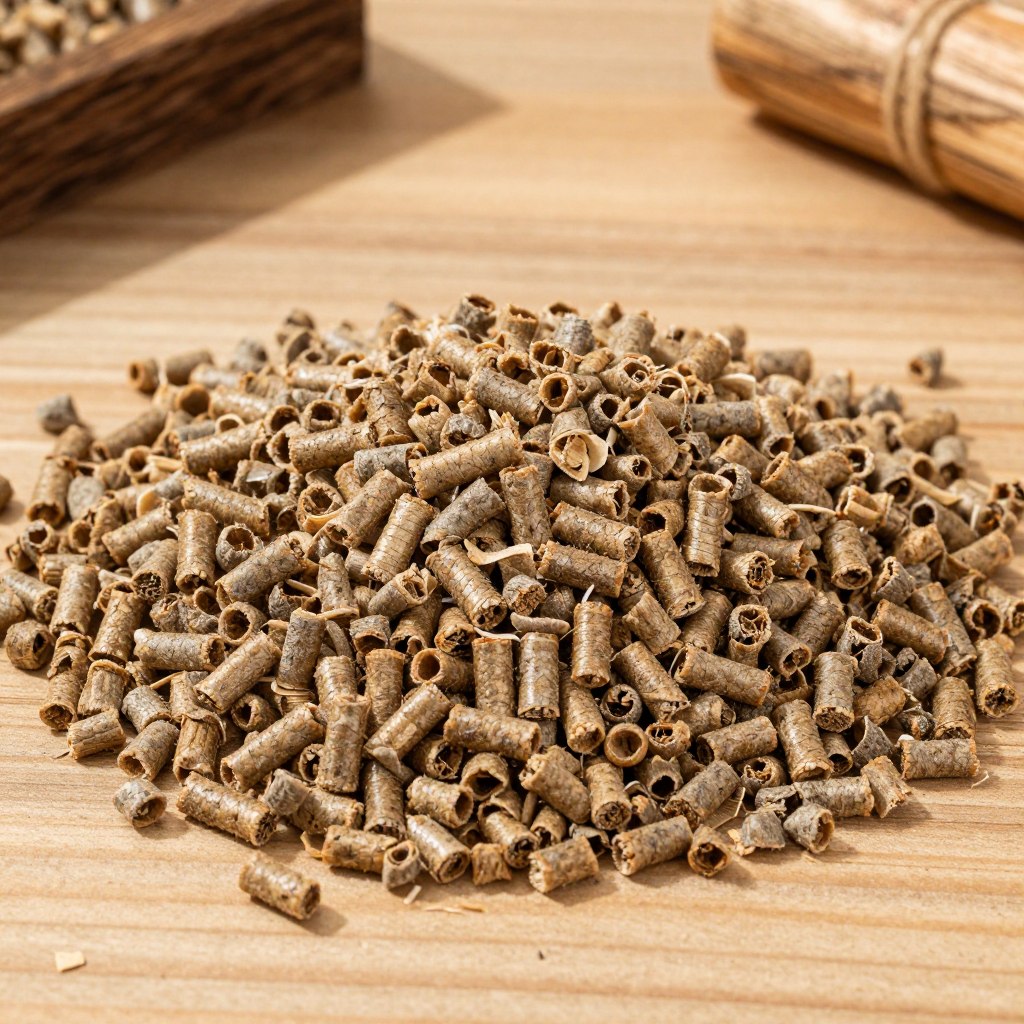
Uses lumber mill waste. Naturally biodegradable. Renewable resource with minimal processing.
Agricultural Waste
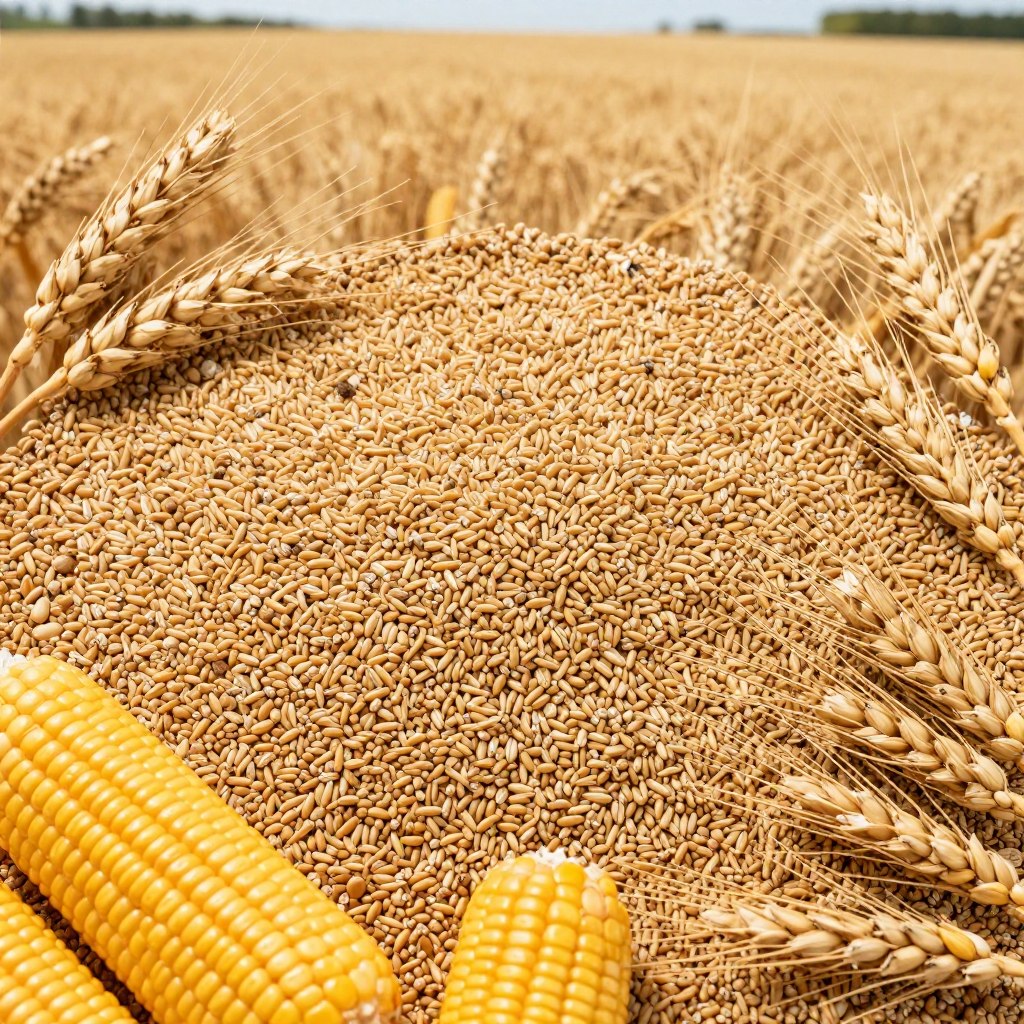
Corn, wheat, and walnut shells. Renewable annual crops. Biodegradable and often flushable.
Disposal Methods and Environmental Impact
How you dispose of used litter affects environmental consequences. Different disposal methods suit different litter types.
Landfill Disposal
Most cat litter ends up in landfills. Clay varieties remain unchanged for decades or centuries.
Biodegradable litters break down more readily. However, waste facilities vary in decomposition conditions.
Bag waste separately from regular trash when possible. Some facilities offer composting programs for pet waste.
Composting Natural Litters
Some plant-based litters can be composted safely. Never use this compost for food gardens.
Important Safety Note: Cat waste contains parasites and pathogens harmful to humans. Only compost litter for ornamental plants, never vegetables or herbs. Maintain separate compost bins for pet waste.
Composting requires proper temperature and conditions. Hot composting kills most pathogens effectively.
Flushable Litter Considerations
Certain natural litters claim flushability. Check local regulations before flushing any cat litter.
Flush only small amounts at once. Large quantities can clog pipes and overwhelm septic systems.
Municipal water systems may prohibit flushing cat waste. Toxoplasma parasites can contaminate water supplies.
Reducing Overall Litter Waste
Strategies exist to minimize litter consumption and waste production. Small changes accumulate significant impact.
- Scoop daily to extend litter life between complete changes
- Use proper litter depth – excess waste products unnecessarily
- Choose high-quality litters that last longer
- Implement litter box liners to reduce waste during changes
- Consider toilet training for appropriate cats
- Select concentrated formulas requiring less product
- Buy in bulk to reduce packaging waste
Health and Safety Considerations
Cat litter selection impacts health for both felines and humans. Understanding safety factors protects your household.
Dust and Respiratory Health
Litter dust affects air quality in your home. Airborne particles irritate lungs and trigger allergic responses.
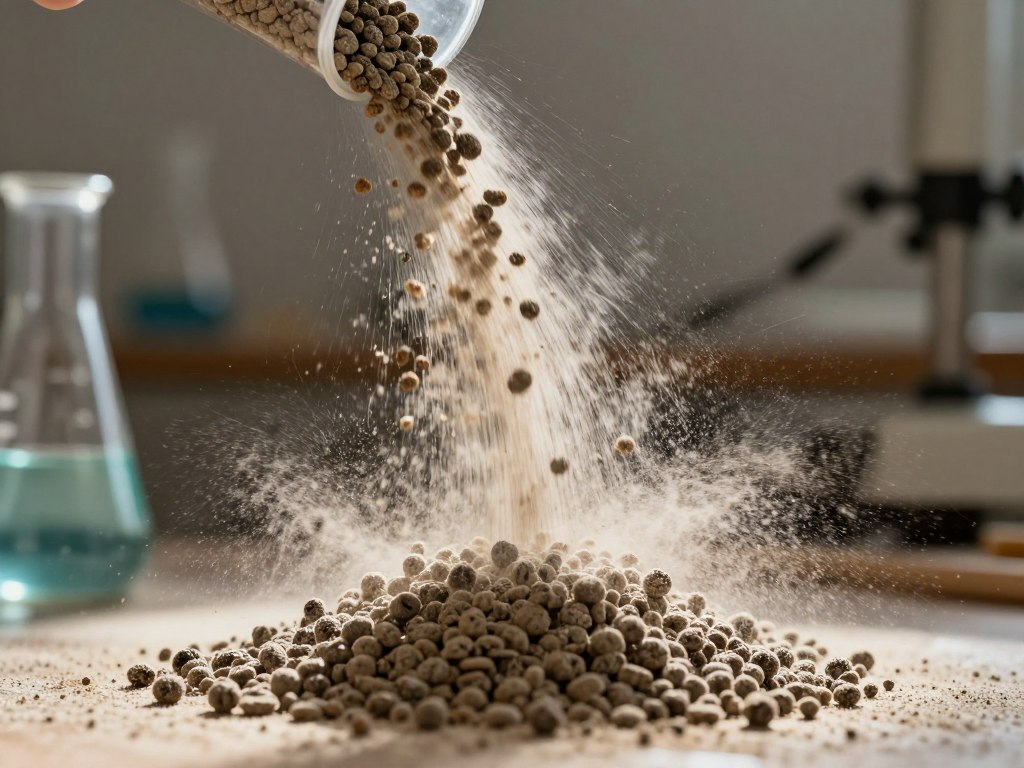
Cats with asthma suffer from dusty environments. Respiratory distress can result from prolonged exposure.
Humans experience similar issues. Chronic exposure to clay dust may cause or worsen respiratory conditions.
Low-dust formulas reduce airborne particles significantly. Many premium brands invest in dust-removal processing.
Chemical Additives and Fragrances
Some litters contain fragrances, deodorizers, or antimicrobial agents. These chemicals can affect sensitive individuals.
Artificial fragrances may cause allergic reactions in cats and humans. Symptoms include sneezing, itching, and respiratory irritation.
Unscented natural litters avoid these concerns. They rely on absorption rather than masking agents.
Ingestion Risks
Cats ingest small amounts of litter during grooming. Particles stick to paws and fur.
Clumping clay poses risks if ingested in quantity. The material can form masses in digestive tracts.
Kitten Warning: Never use clumping litter with kittens under four months old. Young cats often eat litter out of curiosity. The clumping action can cause intestinal blockages. Use non-clumping or paper-based options until cats mature.
Natural plant-based litters present lower ingestion risks. Most pass through digestive systems harmlessly in small amounts.
Parasite and Disease Concerns
Cat waste carries parasites including Toxoplasma gondii. This organism causes toxoplasmosis in humans.
Pregnant women face serious risks from toxoplasmosis. The infection can harm developing fetuses.
Immunocompromised individuals should avoid litter box duties. Others can handle litter box maintenance safely.
- Always wash hands thoroughly after handling litter
- Scoop daily to reduce parasite maturation time
- Keep boxes away from food preparation areas
- Prevent children from playing near litter boxes
- Keep outdoor cats indoors to prevent parasite exposure
Safe Litter for Special Situations
Certain circumstances require specific litter choices. Match products to special needs carefully.
Post-Surgery Recovery
Veterinarians recommend Yesterday’s News or similar paper litters after surgery. Soft pellets won’t irritate incisions.
Avoid clay and clumping litters during recovery. Particles can contaminate surgical sites.
Switch back to regular litter gradually after healing completes. Abrupt changes may confuse cats.
Declawed Cats
Declawed cats have permanently sensitive paws. Soft litter materials prevent discomfort.
Recycled paper pellets provide gentle texture. Wood-based options work well too.
Avoid rough or sharp litter particles. These cause pain on tender paw pads.
Elderly or Ill Cats
Senior cats benefit from low-dust formulas. Respiratory function often declines with age.
Lightweight litter helps owners maintain boxes more easily. Physical limitations make heavy products challenging.
Health monitoring litters like Pretty Litter alert owners to potential issues. Color changes indicate urinary problems.
Frequently Asked Questions About Cat Litter Companies
Which cat litter company offers the best odor control?
Dr. Elsey’s Precious Cat Ultra and Arm & Hammer Clump & Seal Platinum consistently rank highest for odor control. Dr. Elsey’s uses premium sodium bentonite clay that traps odors effectively without added fragrances. Arm Hammer incorporates baking soda technology proven to neutralize ammonia smells.
Fresh Step Advanced also excels with activated charcoal and Febreze technology. The best choice depends on whether you prefer unscented (Dr. Elsey’s) or lightly scented (Arm & Hammer, Fresh Step) options.
What is the most eco-friendly cat litter brand?
World’s Best Cat Litter and Ökocat lead in environmental sustainability. World’s Best uses whole-kernel corn from renewable crops and produces biodegradable, flushable litter. Ökocat creates products from reclaimed wood and lumber by-products, diverting waste from landfills.
Both brands avoid strip mining required for clay litter. sWheat Scoop and SmartCat also deserve consideration as eco-friendly alternatives using wheat and grass seed respectively.
How much should I expect to spend on cat litter monthly?
Monthly costs vary significantly based on household size and product choice. Single-cat households typically spend $15-55 per month depending on brand quality. Budget options like Tidy Cats cost $15-20 monthly, while premium choices like Dr. Elsey’s run $40-55.
Multi-cat homes should budget $50-150 monthly for litter. Natural and eco-friendly options generally cost more per pound but may last longer due to superior absorption. Calculate costs based on how long bags actually last rather than just per-pound pricing.
Is clumping or non-clumping litter better?
Clumping cat litter offers more advantages for most households. It simplifies daily maintenance by allowing spot-cleaning of waste. Clumping formulas typically last longer and provide better odor control than non-clumping alternatives.
Non-clumping litter costs less initially but requires complete changes more frequently. It works well for households on tight budgets or those unable to scoop daily. Some cats prefer non-clumping texture, particularly kittens who should not use clumping varieties until at least four months old.
Which cat litter produces the least dust?
World’s Best Cat Litter, Dr. Elsey’s Precious Cat Ultra, and Yesterday’s News produce minimal dust. These brands claim 99%+ dust-free formulations. World’s Best uses compressed corn with natural binding, creating virtually no airborne particles.
Dr. Elsey’s employs extensive dust-removal processing on their clay formula. Yesterday’s News recycled paper pellets naturally produce almost no dust. Crystal silica litters also remain very low-dust. Avoid generic clay brands if dust concerns you, as they typically produce significant particulate matter.
Can I flush cat litter down the toilet?
Only certain natural litters are safely flushable, and even then with caution. World’s Best Cat Litter, sWheat Scoop, and some wood-based varieties are designed for flushing in small quantities. Never flush clay or crystal litters as they can damage plumbing.
Check local regulations before flushing any cat waste. Some municipalities prohibit this practice due to Toxoplasma parasite concerns in water treatment facilities. If you do flush litter, dispose of only small amounts at a time to prevent pipe blockages.
How often should I completely change cat litter?
Clumping litter typically needs complete replacement every 2-4 weeks with daily scooping. The exact timing depends on how many cats use the box and litter quality. Premium brands like Dr. Elsey’s may last closer to 4 weeks for single cats.
Non-clumping litter requires more frequent complete changes, usually weekly. Crystal litters can last up to a month for one cat. Empty the box entirely, wash it with mild soap, and dry completely before refilling. Never simply top off dirty litter indefinitely.
What cat litter do veterinarians recommend?
Veterinarians frequently recommend Dr. Elsey’s products, particularly for cats with litter box issues. Dr. Elsey’s was created by a veterinarian specifically to address feline behavioral needs. The unscented, dust-free formula appeals to cats while providing excellent performance.
For post-surgical care or declawed cats, vets recommend Yesterday’s News soft paper pellets. World’s Best Cat Litter earns recommendations for its natural formula. Veterinarians generally advise against heavily scented litters and suggest unscented clumping varieties for most situations.
Does more expensive cat litter perform better?
Premium cat litter often justifies higher costs through superior performance and longevity. Brands like Dr. Elsey’s and World’s Best last longer per pound, potentially offsetting initial price differences. Better clumping means less waste and more efficient use.
However, price doesn’t always guarantee quality. Mid-range options like Arm & Hammer offer excellent value with good performance. The best approach involves calculating cost per month of use rather than per bag. Test different price points to find the optimal balance for your household needs.
How do I transition my cat to a new litter brand?
Gradually mix new litter with old over 7-10 days. Start with 25% new litter mixed with 75% old. Every few days, increase the proportion of new litter. This gradual transition prevents litter box avoidance.
Watch for signs of rejection like eliminating outside the box. If your cat refuses the new litter, slow the transition or try a different brand. Cats prefer consistency, so complete texture changes may require more time. Maintain your regular scooping schedule throughout the transition period.
What’s the difference between scented and unscented cat litter?
Scented litter contains added fragrances to mask litter box odors, while unscented relies on absorption and neutralization. Many cats dislike strong artificial scents and may avoid scented litter boxes. Unscented options often work better for cats with sensitive noses.
Some lightly scented products use natural fragrances like lavender or pine. These prove less objectionable than heavy chemical perfumes. Unscented doesn’t mean ineffective – premium unscented litters often control odors better than scented alternatives through superior materials and technology.
Can cat litter cause health problems in cats?
Certain litters can cause health issues if ingested or if they produce excessive dust. Clumping clay litter poses intestinal blockage risks for kittens who eat litter. Dusty formulas aggravate feline asthma and respiratory conditions.
Scented litters may trigger allergic reactions or respiratory irritation in sensitive cats. Choose dust-free, unscented options for cats with health concerns. Never use clumping litter for kittens under four months old. Monitor your cat for coughing, sneezing, or litter box avoidance as potential indicators of litter-related problems.
Still Have Questions About Cat Litter?
Explore our comprehensive guides and product comparisons to find answers to all your cat litter questions. Make the best choice for your feline family.
Making Your Final Cat Litter Decision
Selecting from the best cat litter companies requires balancing multiple factors. Your ideal choice depends on household needs, cat preferences, budget, and environmental values.
Key Takeaways for Cat Litter Selection
Premium brands like Dr. Elsey’s deliver superior performance for households prioritizing odor control and clumping. The investment pays off through longevity and effectiveness.
Environmental consciousness leads toward natural options like World’s Best, Ökocat, or sWheat Scoop. These renewable materials reduce ecological impact significantly.
Budget-focused households find excellent value in Tidy Cats or Arm & Hammer products. These brands offer reliable performance at accessible prices.
Multi-cat homes need robust formulas designed for heavy use. Look for products specifically labeled for multiple cats.
Final Recommendation: Start with highly-rated options in your preferred category. Test one bag completely before committing to bulk purchases. Track performance, cost, and cat acceptance over several weeks. The best cat litter for your household reveals itself through real-world use rather than marketing claims alone.
Taking Action on Your Cat Litter Choice
Armed with comprehensive information about the best cat litter companies, you can now make an informed decision. Consider creating a shortlist of 2-3 brands matching your priorities.
Order small quantities of your top choices to test before bulk buying. Monitor your cat’s litter box behavior and your own satisfaction with performance.
Remember that litter preferences may evolve. Stay open to trying new products as companies innovate and your household needs change.
Your Next Steps
- Review the comparison table and identify top candidates
- Consider your household’s specific requirements
- Check current prices from multiple retailers
- Order trial sizes of 2-3 preferred options
- Monitor cat acceptance and performance
- Calculate true monthly costs based on usage
- Commit to bulk purchases of your chosen brand
Signs You’ve Found the Right Litter
- Your cat uses the box consistently without hesitation
- Odor control meets your household standards
- Daily maintenance requires minimal time
- The product fits comfortably within your budget
- Clumping performance makes scooping easy
- Dust levels don’t trigger respiratory issues
- Tracking remains manageable throughout your home
The cat litter market continues evolving with new innovations and improved formulas. Stay informed about developments from leading companies to ensure you’re always using the best available products for your feline companions.
Quality cat litter represents an investment in your home’s cleanliness, your cat’s health, and your daily comfort. Choose wisely from the best cat litter companies reviewed here, and both you and your cats will enjoy the benefits for years to come.
Start Your Cat Litter Journey Today
Choose from our top-rated cat litter companies and transform your litter box experience. Superior products are just a click away.
Leave a Reply