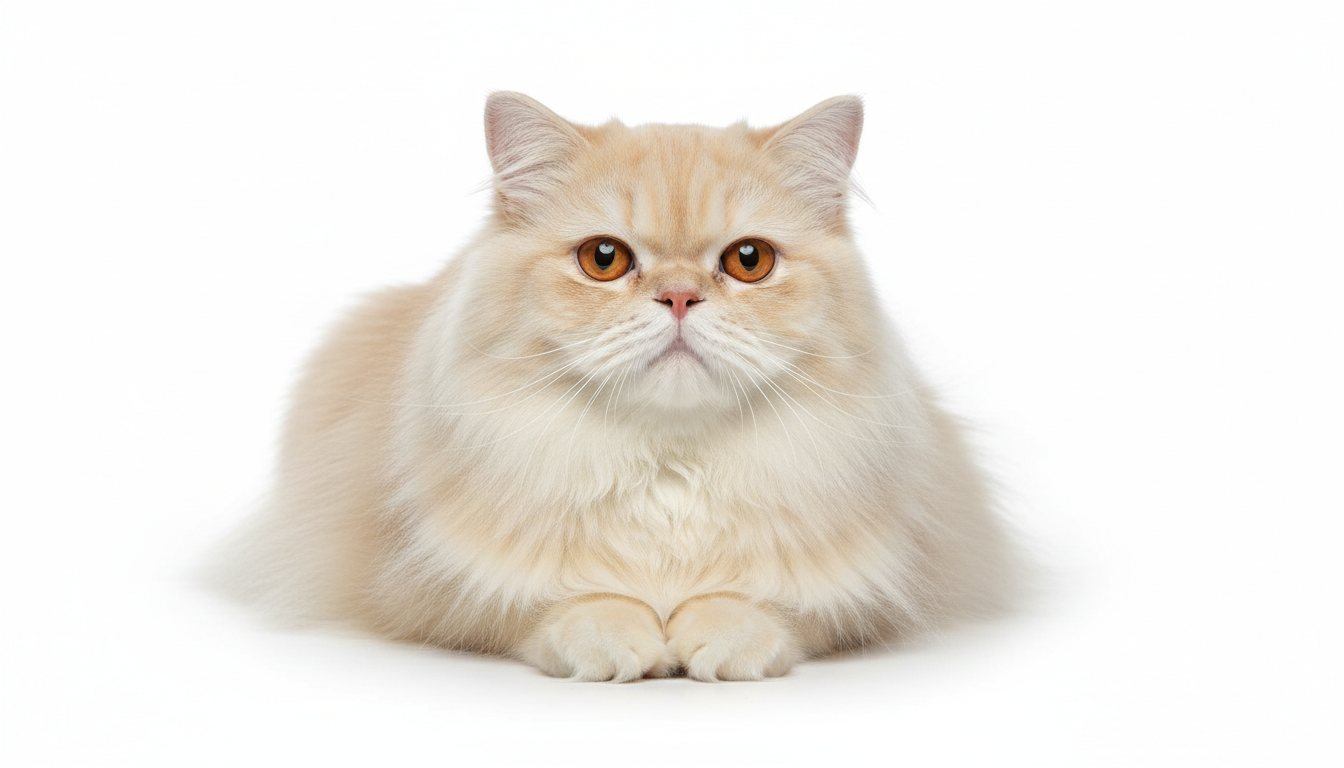

The Persian cat stands as one of the most recognizable and beloved cat breeds in the world. With their distinctive flat face, luxurious long coat, and calm demeanor, these felines have captured hearts for centuries. Their sweet expression and gentle personality make them ideal companions for many households.
These elegant cats require dedicated attention and care. Their signature long, thick fur needs daily grooming to prevent matting. Their unique facial structure demands regular cleaning around the eyes and nose. Despite these requirements, Persian cat enthusiasts find the effort worthwhile.
This comprehensive guide explores everything you need to know about Persian cats. You will discover their fascinating history, distinctive physical traits, personality characteristics, and essential care requirements. Whether you are considering welcoming a Persian into your home or simply want to learn more about this remarkable breed, this article provides the insights you need.
Discover Persian Kittens Near You
Ready to meet your perfect Persian companion? Connect with reputable breeders and adoption centers in your area to find healthy, well-socialized Persian kittens and cats.
History and Origins of the Persian Breed

The Persian cat is one of the oldest recognized cat breeds. Their exact origins remain somewhat mysterious, though most historians believe they originated in Mesopotamia, which later became Persia and is now modern-day Iran. The breed’s journey to Western popularity began in the 1600s when Italian travelers brought long-haired cats from Persia to Europe.
These exotic felines quickly gained favor among European nobility. Their unusual appearance and luxurious coat made them status symbols. By the late 1800s, Persian cats had become established favorites in cat shows across England and Europe. Queen Victoria herself owned two blue Persians, which significantly boosted the breed’s popularity among the British aristocracy.
Development in America
Persian cats arrived in America during the late 1800s. American breeders began refining the breed with specific goals in mind. They emphasized the flat face, which has become the breed standard today. The Cat Fanciers’ Association recognized Persians as one of its founding breeds in 1906.
Over the decades, breeders have developed many Persian color varieties. The breed standard has evolved to emphasize the round head shape, short nose, and large round eyes that define the ideal Persian appearance today. Modern Persian cats look quite different from their ancestors, with more extreme facial features and longer, denser coats.
Recognition and Breed Standards
Today, major cat registries worldwide recognize the Persian breed. The Cat Fanciers’ Association and The International Cat Association both maintain detailed breed standards. These standards specify exact requirements for head shape, body type, coat quality, and acceptable color variations.
The Persian breed has remained consistently popular for over a century. Their enduring appeal stems from their distinctive look and gentle temperament. Many consider them the epitome of feline elegance and beauty.
Distinctive Physical Characteristics of Persian Cats

Facial Features and Head Structure
The Persian cat possesses one of the most recognizable faces in the feline world. The breed standard calls for a round head with full cheeks and a short, broad nose. The face appears nearly flat, with the nose leather positioned between the eyes rather than protruding outward. This distinctive profile creates the sweet expression that Persian cat lovers cherish.
Large round eyes dominate the facial features. These expressive eyes can be copper, blue, green, or odd-eyed, depending on coat color. The eyes sit wide apart on the face, contributing to the open, gentle appearance. Small, rounded ears sit low on the head, well apart and tilting forward slightly.
Body Type and Structure
Persian cats have a cobby body type, meaning they are short and compact. The body sits low on short, thick legs with large, round paws. Despite their sturdy appearance, these cats maintain elegant proportions. The tail is short and thick, carried lower than the back but not curved.
Adult Persian cats typically weigh between seven and twelve pounds. Males generally grow larger than females. The overall impression is one of a well-balanced, substantial cat with a powerful build beneath all that luxurious hair.
The Legendary Coat

The Persian’s long, thick coat is perhaps their most defining characteristic. This double coat consists of a soft, dense undercoat covered by long, flowing outer hair. The fur can grow several inches long, creating the signature fluffy appearance. The coat is fine in texture but incredibly dense, giving Persian cats their plush, cloud-like look.
Hair grows uniformly long across the entire body. The neck ruff is especially full, creating a lion-like mane around the face and shoulders. The tail plume is exceptionally luxurious, with long hair forming a dramatic fan. Even the ears have long tufts of hair both inside and behind them.
This magnificent coat requires extensive daily maintenance. Without regular grooming, the fine hair quickly becomes matted and tangled. The undercoat can felt together, creating painful mats that pull at the skin. Many Persian cat owners consider the grooming commitment an essential part of living with this breed.
Color and Pattern Varieties
Solid Colors
Solid Persian cats display one uniform color throughout their coat. These include white, black, blue, cream, red, and chocolate varieties.
- White Persians often have copper or blue eyes
- Blue Persians display a soft gray-blue shade
- Cream Persians show a soft buff color
- Black Persians have dense, coal-black coats
Smoke and Shaded
Smoke Persian cats have white undercoats with colored tips. Shaded varieties show color on the hair tips with lighter roots creating a shimmering effect.
- Black smoke has white undercoat with black tips
- Blue smoke shows blue-tipped white undercoat
- Shaded silver creates a sparkling appearance
- Chinchilla shows minimal tipping for ethereal look
Tabby Patterns
Tabby Persian cats display distinct markings in classic, mackerel, or patched patterns. These markings appear in various color combinations.
- Silver tabby features black markings on silver
- Red tabby displays orange markings
- Brown tabby shows dark markings on brown
- Patched tabby combines tabby with tortoiseshell
Particolor and Bicolor
These varieties combine two or more colors. Tortoiseshell, calico, and bicolor patterns create striking visual interest.
- Tortoiseshell blends black with red or cream
- Blue cream combines blue and cream patches
- Calico adds white to tortoiseshell pattern
- Bicolor shows white with one other color
The Cat Fanciers’ Association recognizes over eighty different color combinations for Persian cats. Each color division has specific standards for eye color. For example, white Persian cats may have blue eyes, copper eyes, or one of each color. Solid-colored cats typically have copper or gold eyes, while silver and golden varieties often display green eyes.
Personality and Temperament of the Persian Cat

Gentle and Calm Nature
Persian cats are renowned for their gentle, placid temperament. These cats prefer a calm, predictable environment over chaos and constant activity. They move with deliberate grace rather than frenetic energy. Their quiet demeanor makes them excellent companions for people seeking a peaceful feline friend.
Unlike more active cat breeds, Persian cats do not typically engage in wild play sessions or acrobatic displays. They enjoy gentle play with feather toys or soft balls but prefer shorter, calmer play periods. After a brief play session, they return to their favorite resting spot to observe their surroundings.
Affectionate Companions
Despite their dignified appearance, Persian cats form strong bonds with their human family members. They show affection through quiet companionship rather than demanding attention. Many Persians follow their favorite person from room to room, content to be near them. They often choose a favorite lap for extended napping sessions.
These cats enjoy being petted and brushed, especially when they trust their caregiver. The daily grooming routine often becomes a bonding experience. Persian cats typically purr contentedly during grooming sessions, showing their appreciation for the attention and care.
Social Behavior and Interactions
Persian cats generally get along well with children who handle them gently. They tolerate respectful attention but will retreat if play becomes too rough. These cats prefer calm children who understand how to interact quietly with pets. They are not ideal for households with very young children who might accidentally be too rough.
When it comes to other pets, Persian cats can coexist peacefully with other cats and even calm dogs. They do best with companions who respect their need for peace and personal space. Proper introductions and gradual acclimation help ensure harmonious multi-pet households.
Intelligence and Trainability
While not as demonstratively intelligent as some breeds, Persian cats possess quiet wisdom. They learn household routines quickly and adapt to their family’s schedule. They can be trained to accept grooming procedures, use scratching posts, and follow basic house rules. Positive reinforcement works best with this sensitive breed.
Persian cats communicate their needs through subtle signals rather than loud demands. They might sit near their food bowl when hungry or gently pat their owner’s hand for attention. Learning to read these quiet signals helps owners respond appropriately to their Persian’s needs.
Ideal Living Environment
These cats thrive as indoor companions. Their long coat can collect debris outdoors, and their calm nature makes them vulnerable to faster, more aggressive animals. A quiet home environment suits them perfectly. They appreciate comfortable perches where they can survey their domain from a safe, elevated position.
Persian cats do well in apartments and houses alike. They do not need vast spaces to run and play. A comfortable home with soft resting places, a few toys, and their beloved human companions provides everything a Persian needs to live contentedly.
Find Your Perfect Persian Companion
Many wonderful Persian cats are waiting for loving homes. Start your journey to Persian cat ownership by connecting with adoption centers and certified breeders who prioritize health and temperament.
Essential Grooming and Care Requirements

Daily Coat Maintenance
The Persian cat’s magnificent long hair demands daily grooming commitment. Without regular brushing, the fine coat mats quickly, creating uncomfortable tangles that pull at the skin. Mats can become so severe they require professional removal or even shaving. Establishing a daily grooming routine prevents these problems.
Use a metal comb with wide and narrow teeth for thorough grooming. Start with the wide-toothed side to work through any tangles gently. Follow with the narrow teeth to catch any remaining knots. A slicker brush helps smooth the coat after combing. Pay special attention to areas prone to matting: behind the ears, under the legs, and around the rear.
Many Persian cat owners dedicate fifteen to thirty minutes daily to grooming. This time investment maintains coat health and provides bonding opportunities. Cats who receive daily grooming from kittenhood typically accept the routine as normal. Starting grooming habits early makes lifelong maintenance much easier.
Bathing Requirements
Persian cats need regular baths to keep their coat clean and healthy. Most require bathing every four to six weeks. Their long hair collects oils, dust, and debris that brushing alone cannot remove. Regular bathing prevents the coat from becoming greasy and maintains that fluffy, cloud-like texture.
Use a high-quality cat shampoo formulated for long-haired breeds. Thoroughly wet the coat, apply shampoo, and work it through all layers of fur. Rinse completely, as any remaining shampoo can cause skin irritation. Follow with a conditioning treatment to keep the coat manageable. Dry thoroughly with towels and a blow dryer on low heat.
Facial Care and Hygiene

The flat face structure of Persian cats requires special attention. Their large eyes produce tears that can stain the facial fur, creating dark streaks. Clean around the eyes daily with a soft, damp cloth or specialized eye wipes. Gently wipe away any discharge to prevent staining and bacterial buildup.
The compressed nose structure can sometimes lead to breathing difficulties or discharge. Keep the nose area clean and dry. Some Persian cats benefit from periodic nose cleaning with a damp cotton ball. Monitor breathing patterns and consult a veterinarian if you notice any breathing difficulties or excessive nasal discharge.
Nail and Paw Care
Trim your Persian cat’s nails every two to three weeks. Regular trimming prevents overgrowth and reduces damage to furniture and skin during play. Use cat-specific nail clippers and trim only the clear tip, avoiding the pink quick that contains blood vessels and nerves.
Check between the toes regularly for trapped litter or debris. The long hair between the paw pads can collect material that causes discomfort. Carefully trim the hair between the pads if it grows excessively long. Keep paw pads clean and moisturized to prevent cracking.
Dental Hygiene
Dental care is essential for Persian cat health. Brush teeth several times weekly using cat-specific toothpaste and a soft brush. Regular brushing prevents tartar buildup and gum disease. Start dental care routines early in life to help your cat accept the procedure.
Provide dental treats and toys designed to reduce plaque. Schedule annual dental checkups with your veterinarian. Professional cleanings may be necessary to maintain optimal oral health. Good dental hygiene contributes to overall health and can prevent serious medical issues.
Professional Grooming Services
Many Persian cat owners utilize professional grooming services periodically. Professional groomers have experience handling difficult mats and can provide thorough baths and blow-drying. Some owners schedule professional grooming every six to eight weeks to supplement home care.
In cases of severe matting, a professional groomer or veterinarian may recommend a complete shave. While this removes the beautiful coat temporarily, it provides relief from painful mats and allows a fresh start. The coat will grow back over several months. Regular grooming prevents the need for such drastic measures.
Essential Grooming Tools for Persian Cats

Metal Grooming Comb
A dual-sided metal comb is essential for daily Persian cat grooming. Wide teeth work through tangles while narrow teeth catch fine knots. Stainless steel construction ensures durability and smooth gliding through long hair.

Slicker Brush
Slicker brushes with fine wire bristles smooth the coat and remove loose undercoat. The cushioned base protects sensitive skin while effectively managing the dense Persian coat. Regular use maintains that fluffy appearance.

Specialized Shampoo
High-quality shampoo and conditioner formulated for long-haired cats maintain coat health and manageability. Look for moisturizing formulas that prevent dryness and keep the coat soft and tangle-free between baths.

Eye Cleaning Wipes
Gentle eye cleaning wipes remove tear stains and discharge from facial fur. Specially formulated for sensitive areas around the eyes, these wipes prevent staining and keep your Persian’s face looking clean.

Nail Clippers
Quality nail clippers designed specifically for cats make trimming safe and easy. Look for clippers with safety guards and sharp blades that cut cleanly without crushing the nail. Regular trimming keeps claws healthy.

De-matting Tool
A de-matting rake or mat splitter helps remove stubborn tangles safely. These specialized tools cut through mats without pulling painfully on the skin. Essential for maintaining coat health when mats do occur.
Health Considerations and Common Issues

Polycystic Kidney Disease
Polycystic kidney disease is an inherited condition that affects many Persian cats. This genetic disorder causes fluid-filled cysts to develop in the kidneys over time. As cysts grow, they can interfere with kidney function, potentially leading to kidney failure. The condition typically manifests in middle-aged to older cats.
Responsible breeders screen their breeding cats for polycystic kidney disease through ultrasound or genetic testing. Cats testing positive should not be used for breeding. When choosing a Persian kitten, ask the breeder for proof of PKD testing in the parents. This screening helps reduce the incidence of this serious condition.
While there is no cure for polycystic kidney disease, early detection through regular veterinary checkups allows for management strategies. Special diets and medications can help support kidney function and slow disease progression. Regular monitoring helps maintain quality of life for affected cats.
Breathing Difficulties
The flat face structure that defines the Persian breed can cause breathing problems. The compressed nose and shortened nasal passages restrict airflow. Some Persian cats snore or breathe noisily during sleep. In severe cases, cats may experience difficulty breathing, especially during exercise or in hot weather.
This condition, known as brachycephalic syndrome, varies in severity. Cats with more extreme facial flatness typically experience more pronounced breathing issues. Keep Persian cats cool and avoid strenuous exercise during hot weather. Maintain a comfortable home temperature to prevent respiratory distress.
If your Persian cat shows signs of severe breathing difficulty, consult your veterinarian. In some cases, surgical intervention can improve airway function. Regular veterinary monitoring helps catch developing problems early.
Eye and Tear Duct Issues
The large eyes and flat face structure of Persian cats often lead to excessive tearing. The tear ducts may not drain properly, causing tears to overflow onto the face. This creates the characteristic tear stains many Persian cats develop. While primarily cosmetic, this moisture can lead to skin infections if not properly managed.
Daily facial cleaning prevents complications from excessive tearing. Some Persian cats develop eye infections or corneal issues due to their prominent eyes. The eyes can be easily injured and may develop ulcers. Regular eye examinations help detect problems early.
Cherry eye, a condition where the third eyelid protrudes, can occur in Persian cats. This requires veterinary attention and sometimes surgical correction. Entropion, where eyelids roll inward causing lashes to irritate the eye, also affects some Persians and requires surgical repair.
Dental Problems
Persian cats are prone to dental issues, particularly gingivitis and periodontal disease. Their facial structure may contribute to crowded teeth and malocclusion, where teeth do not align properly. These conditions increase susceptibility to dental disease.
Regular dental care prevents serious problems. Brush teeth several times weekly and provide dental treats. Schedule annual dental examinations and professional cleanings as recommended by your veterinarian. Good dental hygiene extends overall health and quality of life.
Hypertrophic Cardiomyopathy
This heart condition affects various cat breeds, including Persians. Hypertrophic cardiomyopathy causes thickening of the heart muscle, reducing its efficiency. The condition can lead to heart failure, blood clots, or sudden death. Some cases have genetic components.
Regular veterinary examinations including heart auscultation help detect heart abnormalities. If a murmur is detected, your veterinarian may recommend echocardiography to evaluate heart structure and function. While there is no cure, medications can help manage symptoms and improve quality of life.
Skin Conditions
The dense coat of Persian cats can trap moisture against the skin, creating an environment for fungal or bacterial infections. Seborrhea, a condition causing greasy or flaky skin, affects some Persians. Regular bathing and thorough drying help prevent skin problems.
Some Persian cats develop ringworm, a fungal infection that causes hair loss and scaly patches. This condition is contagious to other pets and humans. Prompt veterinary treatment prevents spread. Maintaining good coat hygiene and regular grooming reduce skin condition risks.
Obesity Prevention
Persian cats’ calm, sedentary nature makes them prone to weight gain. Obesity stresses joints, increases diabetes risk, and reduces overall health. The long coat can hide weight gain, making regular weigh-ins important.
Provide appropriate portions of high-quality cat food. Avoid free-feeding, which often leads to overeating. Encourage daily play sessions to maintain activity levels. Regular veterinary checkups should include weight assessment and body condition scoring.
Regular Veterinary Care
Annual veterinary examinations are essential for Persian cat health. These checkups detect problems early when treatment is most effective. Keep vaccinations current and maintain parasite prevention protocols. Discuss any changes in behavior, appetite, or elimination habits with your veterinarian.
Senior Persian cats, typically those over seven years old, benefit from twice-yearly examinations. Age-related conditions like kidney disease, dental problems, and arthritis can be managed more effectively with early detection. Blood work helps monitor organ function and catch developing problems.
Connect with Reputable Persian Cat Breeders
Finding a responsible breeder who prioritizes health testing and genetic screening is crucial for getting a healthy Persian cat. Reputable breeders test for polycystic kidney disease and other genetic conditions, ensuring you bring home a kitten with the best possible start in life.
Nutrition and Feeding Guidelines
Dietary Requirements
Persian cats require high-quality nutrition to maintain their luxurious coat and overall health. Look for cat food formulated specifically for adult cats or long-haired breeds. These formulas typically contain higher protein levels and added nutrients that support skin and coat health.
Protein should be the primary ingredient in your Persian cat’s diet. Cats are obligate carnivores, requiring animal-based protein for optimal health. Look for foods listing real meat, poultry, or fish as the first ingredient. Avoid foods with excessive fillers like corn or wheat.
Special Nutritional Needs
The flat face structure of Persian cats can make eating difficult. Some cats struggle with traditional kibble shapes and sizes. Look for foods designed specifically for Persian cats, with specially shaped kibble that is easier to grasp and chew. These formulas consider the unique eating challenges Persian cats face.
Omega-3 and omega-6 fatty acids support skin health and coat quality. These essential fatty acids reduce inflammation and promote a shiny, healthy coat. Many quality cat foods include these nutrients, but supplements can be added if recommended by your veterinarian.
Feeding Schedule and Portions
Feed adult Persian cats twice daily, dividing the total daily portion into two meals. This schedule maintains steady energy levels and prevents overeating. Follow the feeding guidelines on your chosen food package, adjusting amounts based on your cat’s body condition and activity level.
Kittens require more frequent meals to support growth. Feed Persian kittens three to four times daily until six months old, then transition to twice daily feeding. Always provide fresh, clean water in multiple locations throughout your home.
Wet Food Versus Dry Food
Both wet and dry food have benefits for Persian cats. Wet food provides additional moisture, supporting kidney health and urinary tract function. The soft texture can be easier for some Persians to eat. Dry food helps reduce tartar buildup on teeth through mechanical cleaning action.
Many owners feed a combination of wet and dry food to gain benefits of both. This approach provides variety and ensures adequate hydration while maintaining dental benefits. Whatever you choose, ensure the food is complete and balanced for your cat’s life stage.
Foods to Avoid
Never feed your Persian cat human foods that are toxic to cats. Chocolate, onions, garlic, grapes, raisins, and caffeine can cause serious health problems. Avoid giving bones, which can splinter and cause internal injuries. Raw meat carries risk of bacterial contamination.
While cats can tolerate small amounts of dairy, many are lactose intolerant and experience digestive upset from milk or cheese. Avoid excessive treats, which can lead to obesity. Treats should comprise no more than ten percent of daily caloric intake.
Creating the Ideal Living Environment

Indoor Living Requirements
Persian cats thrive as exclusively indoor pets. Their long coat collects debris and burrs outdoors, leading to painful mats. Their calm, trusting nature makes them vulnerable to dangers like traffic, predators, and aggressive animals. Keep your Persian safe and comfortable by maintaining them as indoor companions.
Provide vertical spaces like cat trees or window perches where your Persian can observe their environment. These elevated spots satisfy natural climbing instincts while keeping cats safe. Choose sturdy furniture designed for larger breeds, as Persian cats have substantial builds.
Temperature and Climate Control
The dense coat that keeps Persian cats warm can become uncomfortable in hot weather. Maintain comfortable home temperatures, especially during summer months. Provide cool, shaded resting areas and ensure constant access to fresh water. Some Persian cats enjoy resting on cool tile floors during hot weather.
Watch for signs of overheating, including panting, drooling, or lethargy. Persian cats with breathing difficulties are especially susceptible to heat stress. Never leave your Persian in a hot car, even for a few minutes. Air conditioning or fans help maintain comfortable temperatures during warm seasons.
Litter Box Considerations
Choose a litter box with high sides but an accessible entry. The long coat can drag in litter boxes, so keeping the area clean prevents tracking throughout your home. Consider using a litter mat outside the box to catch stray litter from paws and coat.
The long hair around the rear can become soiled during elimination. Some owners trim this area, called a sanitary clip, to maintain cleanliness. Regular monitoring and cleaning prevent hygiene issues. Place litter boxes in quiet, accessible locations away from food and water.
Safe Play and Exercise
While Persian cats are not highly active, they still need daily mental and physical stimulation. Provide appropriate toys like feather wands, soft balls, and puzzle feeders. Interactive play sessions strengthen your bond while providing exercise. Keep sessions short and gentle, respecting your Persian’s calm nature.
Scratching posts or pads protect furniture while allowing natural scratching behavior. Choose stable posts tall enough for full-body stretching. Place scratching surfaces near favorite resting areas and positively reinforce their use.
Creating Quiet Spaces
Persian cats appreciate quiet retreats where they can rest undisturbed. Provide comfortable beds in peaceful areas of your home. Some Persians enjoy enclosed beds or cat caves that offer security and privacy. Multiple resting spots throughout the home allow your cat to choose their preferred location.
Minimize loud noises and sudden disruptions when possible. Persian cats prefer calm, predictable environments over chaos. Create routines for feeding, play, and grooming to provide the stability these cats appreciate.
Breeding and Kitten Development
Responsible Breeding Practices
Breeding Persian cats requires extensive knowledge, commitment, and resources. Responsible breeders prioritize health, temperament, and breed standards over profit. They conduct genetic testing for polycystic kidney disease and other hereditary conditions. Only cats with excellent health clearances should be bred.
Ethical breeders provide appropriate veterinary care, including prenatal care for queens and checkups for kittens. They socialize kittens extensively, exposing them to various sounds, textures, and gentle handling. Well-socialized kittens adjust more easily to new homes and develop confident, friendly personalities.
Pregnancy and Birth
Persian cat pregnancies last approximately sixty-three to sixty-five days. Queens require increased nutrition during pregnancy and lactation. The flat face structure can sometimes complicate delivery, requiring veterinary assistance. Some Persian cats require cesarean sections due to large kitten heads or narrow pelvic structures.
Litter sizes typically range from three to six kittens, though this varies. New mothers need quiet, secure nesting areas where they feel safe caring for their babies. Monitor mother and kittens closely during the first weeks, watching for nursing difficulties or failure to thrive.
Kitten Development Stages
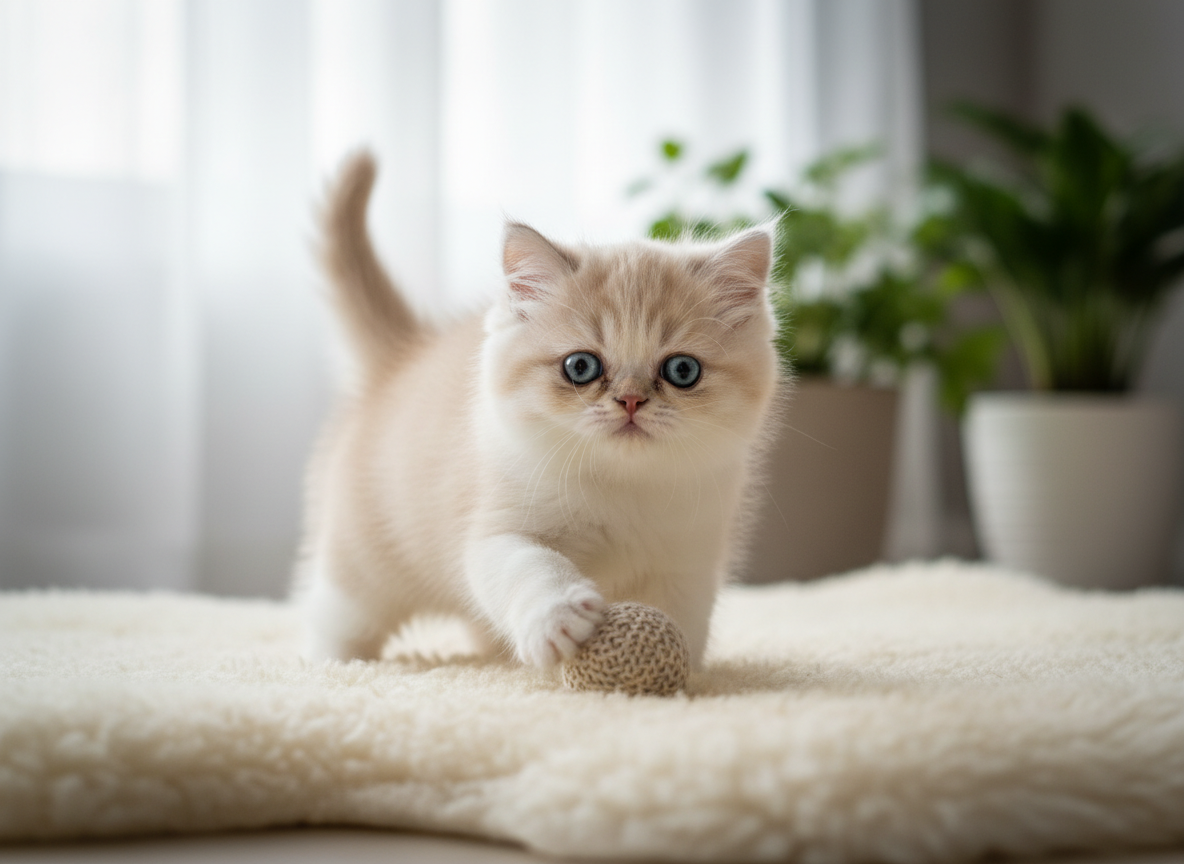
Persian kittens are born with closed eyes and ears, completely dependent on their mother. Eyes open between seven to fourteen days after birth. The tiny kittens begin exploring their environment around three weeks old, developing coordination and social skills.
Weaning typically begins around four weeks and completes by eight weeks. Introduce high-quality kitten food gradually while kittens continue nursing. This transition period is critical for healthy development. Kittens learn important behaviors from their mother and littermates during these early weeks.
Persian kittens should remain with their mother and siblings until at least twelve weeks old. This extended time allows full weaning, socialization, and learning appropriate cat behaviors. Kittens separated too early often develop behavioral problems or health issues.
Choosing a Persian Kitten
When selecting a Persian kitten, observe the entire litter and environment. Healthy kittens are active, curious, and playful. Eyes should be clear without discharge, and the coat should appear clean and fluffy. The kitten should feel solid and well-fed, not bony or bloated.
Ask to meet the mother cat if possible. Her temperament and health indicate what to expect in her kittens. Responsible breeders provide health records showing vaccinations, deworming, and any veterinary checkups. They offer health guarantees and remain available for questions after purchase.
Avoid kittens from pet stores or casual backyard breeders who cannot provide health testing documentation. While these kittens may cost less initially, health problems and veterinary bills often exceed the savings. Reputable breeders charge appropriate prices reflecting their investment in quality breeding practices.
Persian Cat Variations and Related Breeds
Traditional Versus Modern Persians
Persian cats exist in two main facial types. Modern show-type Persians have extremely flat faces with the nose positioned between the eyes. This dramatic look defines the breed standard in many registries. However, this extreme structure increases breathing difficulties and eye problems.
Traditional or doll-face Persian cats have a more moderate facial structure. The nose extends slightly forward rather than sitting completely flat. These cats often experience fewer breathing and eye problems while maintaining the Persian’s gentle temperament and luxurious coat. Some registries recognize both types, while others specify one style.
The Exotic Shorthair

The Exotic Shorthair is essentially a short-haired Persian cat. This breed was developed by crossing Persian cats with American Shorthairs. Exotic Shorthair cats have the same round head, flat face, and sweet expression as Persian cats but with a short, plush coat that requires minimal grooming.
These cats appeal to people who love the Persian appearance and personality but cannot commit to extensive daily grooming. Exotic Shorthair cats maintain the calm, gentle temperament characteristic of Persian cats. They face similar health concerns, particularly related to their flat facial structure.
Himalayan Cats
Himalayan cats combine Persian body type with Siamese color points. These cats have the long coat and body structure of Persian cats with distinctive colored points on the face, ears, legs, and tail. The Cat Fanciers’ Association considers Himalayans a color division of the Persian breed rather than a separate breed.
Himalayan cats typically have bright blue eyes, a trait inherited from their Siamese ancestry. They require the same extensive grooming as other Persian cats. Their personality combines Persian gentleness with slightly more vocal and active traits from Siamese heritage.
Chinchilla and Silver Persians
Chinchilla Persian cats have a distinctive appearance with white undercoats and black or silver tipping on the hair tips. This creates a sparkling, ethereal look. Chinchilla cats typically have green or blue-green eyes outlined with dark pigment, creating a dramatic appearance.
These cats may have slightly less extreme facial flattening than some other Persian varieties. Some registries classify Chinchillas as a separate breed, while others consider them a color variety of the Persian breed. They require the same care and grooming as other Persian cats.
Cat Shows and Breed Standards
Understanding Breed Standards
Cat registries like the Cat Fanciers’ Association and The International Cat Association maintain detailed breed standards for Persian cats. These standards describe the ideal characteristics judges look for in competition. Standards specify exact requirements for head shape, eye size and placement, body proportions, coat quality, and acceptable colors.
The ideal Persian has a round head, full cheeks, and a short, broad nose. Eyes should be large, round, and set wide apart. The body should be cobby and well-balanced on short legs. The coat must be long, thick, and flowing. Any deviation from these standards affects show placement.
Preparing for Cat Shows
Showing Persian cats requires extensive preparation. The coat must be in perfect condition, clean, and free of mats. Many exhibitors bathe their cats a few days before shows, allowing the coat to settle and look its best. Nails must be trimmed, eyes and ears cleaned, and facial fur pristine.
Cats must be comfortable with handling by strangers. Judges examine cats thoroughly, checking body structure, coat quality, and overall condition. Well-socialized cats who accept handling calmly present better than stressed cats. Training and practice help cats adjust to the show environment.
Show Classes and Competition
Shows typically divide cats into classes based on age, sex, and color. Kittens, adults, and senior cats compete separately. Each color division has its own competition. Cats earn ribbons and titles based on their placement against breed standards and other competitors.
Championship shows allow cats to earn titles like Champion, Grand Champion, or Supreme Grand Champion. These titles require specific numbers of wins under different judges. Many breeders show their cats to demonstrate quality and earn recognition for their breeding programs.
Understanding the Cost of Persian Cat Ownership
Initial Purchase Price
Persian cats from reputable breeders typically cost between eight hundred and three thousand dollars. Price varies based on pedigree, color, show quality, and breeder reputation. Show-quality kittens cost more than pet-quality kittens. Rare colors or bloodlines command premium prices.
Adoption fees from shelters or rescues range from fifty to two hundred dollars. These fees typically include spaying or neutering, initial vaccinations, and health screening. While adopting costs less initially, Persian cats from unknown backgrounds may have health or behavioral issues requiring additional investment.
Ongoing Care Expenses
Annual veterinary care including checkups, vaccinations, and preventive medications costs three hundred to six hundred dollars for healthy cats. Emergency veterinary care or treatment for chronic conditions can cost thousands of dollars. Consider pet insurance to help manage unexpected veterinary expenses.
High-quality cat food costs forty to eighty dollars monthly depending on brand and feeding amounts. Litter expenses add another twenty to forty dollars monthly. These ongoing supplies represent significant annual costs that continue throughout your cat’s life.
Grooming Costs
Professional grooming services for Persian cats cost fifty to one hundred dollars per session. Cats requiring grooming every six to eight weeks spend six hundred to one thousand dollars annually on professional grooming. This expense can be reduced through diligent home grooming but requires significant time investment.
Grooming supplies including brushes, combs, shampoo, and cleaning products cost one hundred to two hundred dollars initially. These tools require periodic replacement, adding to ongoing expenses. Quality grooming tools last longer and work better, making them worthwhile investments.
Additional Expenses
Other expenses include cat furniture like scratching posts and perches, toys, bedding, and carriers. Budget several hundred dollars for initial setup. These items need replacement over time. Some Persian cats require special equipment like steps or ramps for accessing furniture safely.
Pet deposits or monthly pet rent in rental housing add to ownership costs. Travel expenses for pet sitters or boarding during vacations must be considered. These varying expenses depend on individual circumstances but should factor into ownership decisions.
Adoption Versus Purchasing from Breeders
Benefits of Adoption
Many wonderful Persian cats need homes through shelters and rescue organizations. Adoption saves lives while costing significantly less than purchasing from breeders. Adult cats in rescues often come spayed or neutered with current vaccinations, reducing initial expenses.
Adopted adult cats have established personalities, eliminating the guesswork of kitten temperament. You know exactly what you are getting regarding size, appearance, and behavior. Many adopted Persian cats prove to be excellent companions grateful for their second chance.
Finding Breed-Specific Rescues
Persian cat rescue organizations specialize in rehoming this specific breed. These rescues understand Persian cat needs and often provide detailed information about available cats. They match cats to appropriate homes based on experience level and lifestyle. Many offer ongoing support after adoption.
Search online for Persian cat rescues in your region. National rescue networks can help locate cats available for adoption. Social media groups dedicated to Persian cat rescue share information about cats needing homes. Be patient, as finding the perfect match may take time.
Working with Reputable Breeders
Reputable breeders provide health-tested, well-socialized kittens with documented pedigrees. They screen breeding cats for genetic diseases and follow ethical breeding practices. Good breeders remain available for questions and support throughout your cat’s life.
Finding responsible breeders requires research. Contact breed clubs and cat registries for breeder referrals. Visit catteries in person to observe conditions and meet breeding cats. Ask detailed questions about health testing, socialization practices, and breeding philosophy. Avoid breeders who cannot provide documentation or seem focused primarily on profit.
Red Flags to Avoid
Avoid buying from pet stores, as these kittens often come from kitten mills with poor breeding practices and inadequate care. Beware of breeders selling multiple breeds, which suggests a commercial operation rather than dedicated breed focus. Breeders unwilling to show you their facility or meet parent cats should be avoided.
Responsible breeders ask questions about your lifestyle and experience to ensure good matches. They provide health guarantees and require spay/neuter contracts for pet-quality kittens. Be suspicious of breeders who sell kittens without questions or who have kittens constantly available. Quality breeders often have waiting lists for their kittens.
Daily Life with a Persian Cat
Establishing Routines
Persian cats thrive on predictable routines. Establish consistent feeding times, play sessions, and grooming schedules. These cats appreciate knowing what to expect each day. Regular routines reduce stress and help your cat feel secure in their environment.
Morning routines might include feeding, facial cleaning, and brief play. Evening routines could incorporate grooming sessions, interactive play, and quiet companionship. Consistent schedules help you remember important care tasks while meeting your cat’s need for predictability.
Bonding and Companionship

Daily grooming sessions strengthen your bond with your Persian cat. These cats often enjoy the attention and physical contact grooming provides. Talk softly to your cat during grooming, offering praise and treats. This positive association makes grooming time something your cat anticipates rather than dreads.
Persian cats show affection through quiet companionship. They may follow you from room to room or choose to nap nearby while you work. Respect their need for personal space while providing attention when they seek it. Learning your individual cat’s communication style deepens your relationship.
Managing Multi-Pet Households
Persian cats can live harmoniously with other pets when properly introduced. Gradual introductions prevent stress and territorial conflicts. Keep new pets separated initially, allowing them to become accustomed to each other’s scent. Supervised interactions help ensure peaceful coexistence.
Persian cats do best with calm companions who respect their space. Energetic dogs or aggressive cats may overwhelm them. Provide escape routes and elevated spaces where your Persian can retreat from more active pets. Separate feeding areas prevent food-related conflicts.
Travel and Time Away
Persian cats typically prefer staying home rather than traveling. Their grooming needs and stress sensitivity make travel challenging. When you must travel, arrange for in-home pet sitting if possible. Familiar environments reduce stress and maintain routines.
If boarding becomes necessary, choose facilities experienced with long-haired breeds. Provide detailed care instructions including grooming needs and health considerations. Some veterinary clinics offer boarding services with medical staff available if needed.
For short absences, automatic feeders and water fountains help maintain feeding schedules. Have a trusted friend or neighbor check on your cat daily, providing fresh water, cleaning litter boxes, and offering companionship. Never leave Persian cats alone for extended periods without care.
Caring for Senior Persian Cats
Age-Related Changes
Persian cats typically live twelve to seventeen years with proper care. Cats over seven years old are considered seniors and may experience age-related changes. Activity levels often decrease as cats age. Senior cats sleep more and play less intensely than younger cats.
Aging cats may develop arthritis, making jumping or climbing difficult. Provide steps or ramps to help senior cats access favorite perches. Lower litter box sides facilitate easy entry. Place food and water bowls in easily accessible locations requiring minimal effort to reach.
Health Monitoring for Seniors
Senior Persian cats benefit from twice-yearly veterinary examinations. Age-related conditions like kidney disease, diabetes, and hyperthyroidism become more common in older cats. Regular blood work detects these conditions early when treatment is most effective.
Monitor weight carefully, as both obesity and unexplained weight loss signal problems. Changes in appetite, thirst, urination, or behavior warrant veterinary attention. Dental disease progresses with age, requiring professional cleaning and sometimes extractions.
Adapting Care Routines
Senior cats may require gentler grooming approaches. Arthritic joints make extended grooming sessions uncomfortable. Break grooming into shorter, more frequent sessions. Focus on areas prone to matting while being mindful of sensitive areas.
Older cats sometimes develop cognitive dysfunction similar to dementia in humans. Affected cats may seem confused, vocalize more, or have accidents outside the litter box. Maintain consistent routines to reduce confusion. Veterinary medications can help manage symptoms.
Comfort and Quality of Life
Ensure senior Persian cats remain comfortable as they age. Provide soft, warm bedding in quiet locations. Heated beds soothe arthritic joints. Keep the environment consistent, avoiding major changes that could cause stress.
Senior cats appreciate having resources nearby. Multiple litter boxes, water bowls, and resting areas throughout your home reduce the need for travel. Night lights help cats with declining vision navigate safely.
Continue providing appropriate mental stimulation. Gentle play sessions maintain interest and activity. Food puzzles engage cognitive function. Quality time together becomes increasingly precious as cats age. Cherish these years with your loyal companion.
Common Myths and Misconceptions
Myth: Persian Cats Are Lazy
While Persian cats are calmer than some breeds, calling them lazy is inaccurate. These cats simply have a more relaxed temperament. They enjoy play and interaction but prefer gentler activities over wild acrobatics. Their measured approach to life reflects their personality, not laziness.
Persian cats engage in normal cat behaviors including hunting, playing, and exploring. They simply do so with more dignity and less chaos than hyperactive breeds. Their calm demeanor makes them excellent companions for people seeking peaceful pets.
Myth: All Persian Cats Have Breathing Problems
Not all Persian cats experience severe breathing difficulties. The degree of facial flatness varies among individual cats. Those with more moderate features typically breathe normally. Even cats with flatter faces may have minimal issues with proper care and management.
Responsible breeding practices aim to produce healthy cats with functional respiratory systems. Breeders focusing on health over extreme appearance help reduce breathing problems in the breed. Choosing cats from health-focused breeding programs decreases the likelihood of respiratory issues.
Myth: Persian Cats Require Professional Grooming
While professional grooming helps, dedicated owners can maintain their Persian cat’s coat at home. Daily brushing prevents mats and keeps the coat healthy. Learning proper grooming techniques allows most owners to care for their cats independently. Professional grooming becomes a convenience rather than a necessity.
Establish grooming routines early in life to help cats accept the process. Patient, gentle handling makes grooming manageable. Many Persian cat owners find the grooming time strengthens their bond with their cat.
Myth: Persian Cats Are Unfriendly
Persian cats are actually quite affectionate with their families. Their reserved demeanor with strangers is sometimes misinterpreted as unfriendliness. These cats form strong bonds with their owners and enjoy companionship. They simply express affection quietly rather than through demanding behavior.
Well-socialized Persian cats welcome attention from family members. They may take time warming up to visitors, but this caution is normal for the breed. Respecting their need to approach new people on their own terms results in friendly interactions.
Frequently Asked Questions About Persian Cats
How much grooming do Persian cats really need?
Persian cats require daily grooming sessions lasting fifteen to thirty minutes. This includes combing through all coat layers to prevent mats, cleaning around the eyes and nose, and checking for debris or tangles. Monthly baths help maintain coat cleanliness and manageability. Without this consistent care, the long coat quickly becomes matted and uncomfortable.
Are Persian cats good with children?
Persian cats can be excellent family pets with children who understand gentle handling. These cats tolerate respectful attention but prefer calm interactions over rough play. They work best with older children who can learn proper cat handling techniques. Very young children may be too energetic or rough for Persian cats’ preference for peaceful environments.
Do all Persian cats have flat faces?
Most modern Persian cats have flat or ultra-flat facial structure, especially show-type cats. However, traditional or doll-face Persian cats exist with more moderate facial structure. These traditional Persians have slightly longer noses and less extreme features while maintaining the breed’s gentle temperament and long coat. Both types are recognized as Persian cats.
What health problems are common in Persian cats?
Persian cats are prone to polycystic kidney disease, breathing difficulties related to facial structure, eye problems including excessive tearing, dental issues, and heart conditions like hypertrophic cardiomyopathy. Skin conditions can develop under the dense coat. Regular veterinary care, health testing, and choosing kittens from health-tested parents help minimize these risks.
How long do Persian cats typically live?
Persian cats generally live twelve to seventeen years with proper care. Some cats live into their late teens or early twenties with excellent health management. Lifespan depends on genetic health, quality of care, diet, and environmental factors. Regular veterinary care and proper grooming contribute to longevity.
Can Persian cats live with other pets?
Persian cats can live peacefully with other cats and calm dogs when properly introduced. Their gentle nature allows them to coexist with respectful companions. They do best with pets who are not overly aggressive or energetic. Proper introduction periods and providing escape routes help ensure harmonious multi-pet households.
What is the difference between Persian and Himalayan cats?
Himalayan cats have the Persian body type and coat with color point markings similar to Siamese cats. They display darker colors on the face, ears, legs, and tail with lighter body color and blue eyes. Some registries consider Himalayans a color division of Persian cats, while others classify them as a separate breed. Care requirements are identical to Persian cats.
Are Persian cats hypoallergenic?
No, Persian cats are not hypoallergenic. Their long, dense coat produces significant dander, which triggers allergies in sensitive individuals. Persian cats may actually cause more severe allergic reactions than some other breeds due to their abundant coat. People with cat allergies should spend time with Persian cats before committing to ownership.
How much does a Persian cat cost?
Persian kittens from reputable breeders typically cost between eight hundred and three thousand dollars depending on quality, pedigree, and color. Pet-quality kittens cost less than show-quality cats. Adoption from shelters or rescues costs fifty to two hundred dollars. Remember that purchase price is only the beginning, with ongoing care expenses including food, litter, grooming, and veterinary care.
Do Persian cats need special food?
Persian cats benefit from high-quality cat food formulated for their needs. Some brands offer food specifically designed for Persian cats with kibble shapes easier to grasp given their flat faces. Look for foods high in animal protein with omega fatty acids supporting coat health. Both wet and dry food work well, with many owners feeding a combination of both types.
Conclusion: Is a Persian Cat Right for You?

Persian cats offer wonderful companionship for people prepared to meet their needs. These elegant felines bring beauty, grace, and gentle affection to their homes. Their calm temperament suits many lifestyles, from quiet apartments to family homes with respectful children.
The decision to welcome a Persian cat requires honest assessment of your ability to provide necessary care. Daily grooming is non-negotiable for this breed. Their long coat demands consistent attention to prevent matting and maintain health. If you enjoy grooming activities and have time for daily coat maintenance, Persian cats can be rewarding companions.
Consider the financial commitment carefully. Persian cats require quality food, regular veterinary care, grooming supplies, and potentially professional grooming services. Health issues common to the breed may require additional veterinary expenses. Pet insurance helps manage unexpected medical costs.
The flat face structure that defines the breed creates special needs. Understanding potential breathing difficulties, eye care requirements, and facial cleaning needs helps you provide appropriate care. Working with reputable breeders who prioritize health reduces the likelihood of severe problems.
Persian cats reward dedicated owners with years of companionship and affection. Their quiet presence brings calm to busy households. The grooming time becomes an opportunity for bonding rather than a chore. Watching these elegant cats move gracefully through your home provides daily pleasure.
If you appreciate beauty, enjoy nurturing relationships, and can commit to intensive grooming requirements, a Persian cat might be your ideal companion. Their gentle nature and luxurious appearance have captivated cat lovers for centuries. With proper care, these magnificent felines become cherished family members who enrich your life for many years.
Research thoroughly before making your decision. Visit breeders or rescues to meet Persian cats in person. Ask questions about care requirements and health considerations. Prepare your home with necessary supplies before bringing your cat home. With preparation and dedication, Persian cat ownership becomes a deeply satisfying experience.
Ready to Welcome a Persian Cat into Your Home?
Take the next step in your Persian cat journey. Whether you choose to adopt from a rescue or purchase from a reputable breeder, numerous resources can help you find your perfect companion. Connect with Persian cat communities, explore available cats, and prepare for the rewarding experience of Persian cat ownership.
Essential Resources for Persian Cat Owners
- Cat Fanciers’ Association – Breed standards, breeder directory, and show information
- The International Cat Association – Breed information and breeder resources
- Persian Cat Rescue Organizations – Find adoptable Persian cats in your area
- Online Persian Cat Communities – Connect with experienced owners for advice and support
- Veterinary Resources – Find veterinarians experienced with Persian cat health needs
Leave a Reply