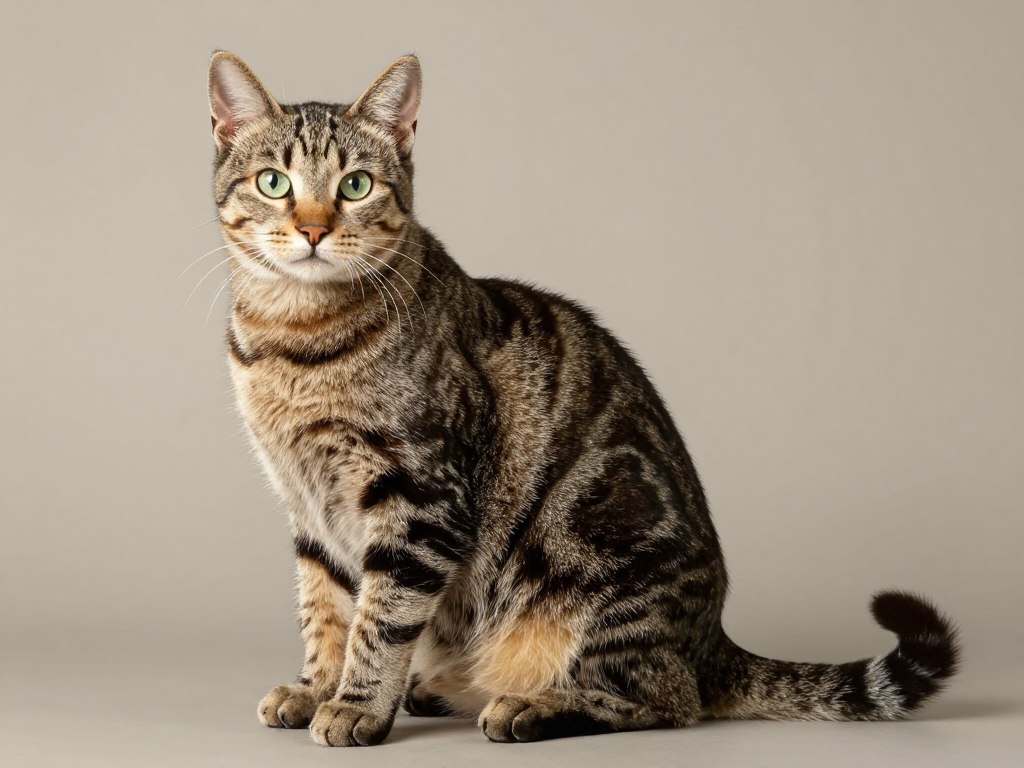
The American Bobtail stands out among cat breeds with its wild appearance and dog-like personality. This remarkable feline captures hearts with its distinctive short tail and affectionate nature. Cat enthusiasts seeking a loyal companion find the American Bobtail an exceptional choice.
These cats combine striking physical characteristics with an engaging temperament. Their unique bobbed tail results from a natural genetic mutation rather than selective breeding. This breed offers the perfect balance of wild beauty and domestic charm.
Understanding the American Bobtail helps potential owners make informed decisions. This guide explores every aspect of these fascinating cats. From their unexpected origins to their specific care needs, readers will discover what makes this breed truly special.
The Fascinating Origin and History of American Bobtails
The American Bobtail breed began in the 1960s with a chance discovery. A young couple found a short-tailed brown tabby kitten near an Arizona motel. This bobtailed cat possessed a natural genetic mutation that would define an entire breed.
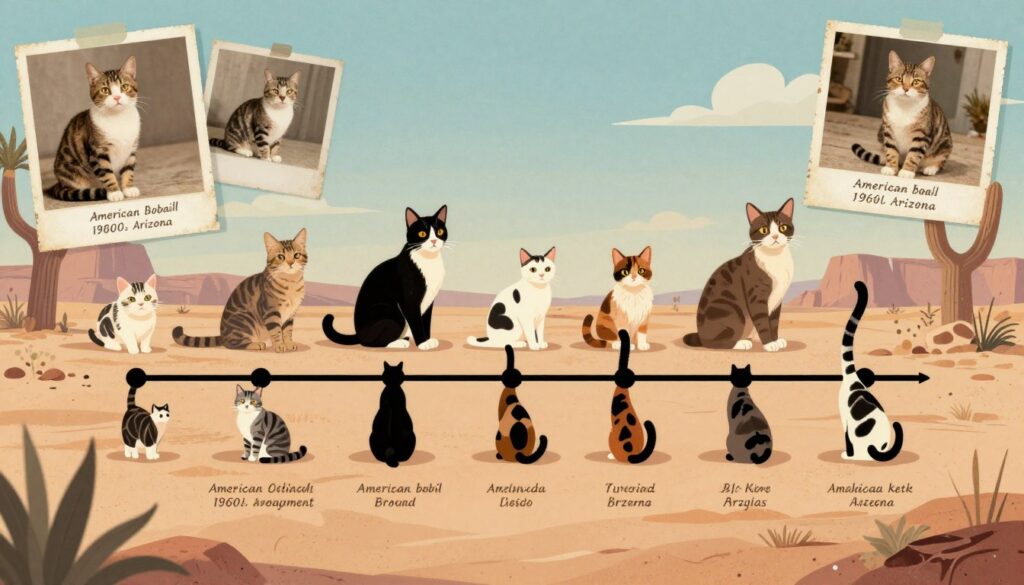
Breeders recognized the unique characteristics of this bobtailed cat. They began developing the breed through careful selection. The goal focused on preserving the short tail while creating healthy, robust cats with excellent temperaments.
The Cat Fanciers’ Association recognized American Bobtails in the year 2000. This recognition came after decades of dedicated breeding efforts. Today, these cats stand as a testament to natural mutation and responsible breeding practices.
The Natural Mutation Behind the Breed
The bobbed tail comes from a dominant genetic mutation. This natural gene differs from the mutations found in other bobtailed breeds. The mutation affects tail length without causing spine or hip problems common in some breeds.
Breeders worked carefully to establish breed standards. They focused on health, temperament, and physical characteristics. The American Bobtail emerged as a distinct breed with consistent traits across generations.
The breed’s development emphasized genetic diversity. Breeders occasionally introduced domestic cats to maintain healthy bloodlines. This practice helped American Bobtails avoid many health problems that plague other purebred cats.
Connect With Reputable American Bobtail Breeders
Finding a healthy American Bobtail starts with connecting to certified breeders who prioritize genetic health and proper socialization. Access our verified breeder directory to begin your journey.
Distinctive Physical Characteristics and Appearance
The American Bobtail presents a medium to large body size. Males typically weigh between twelve and sixteen pounds. Females range from seven to eleven pounds, creating a noticeable size difference between genders.
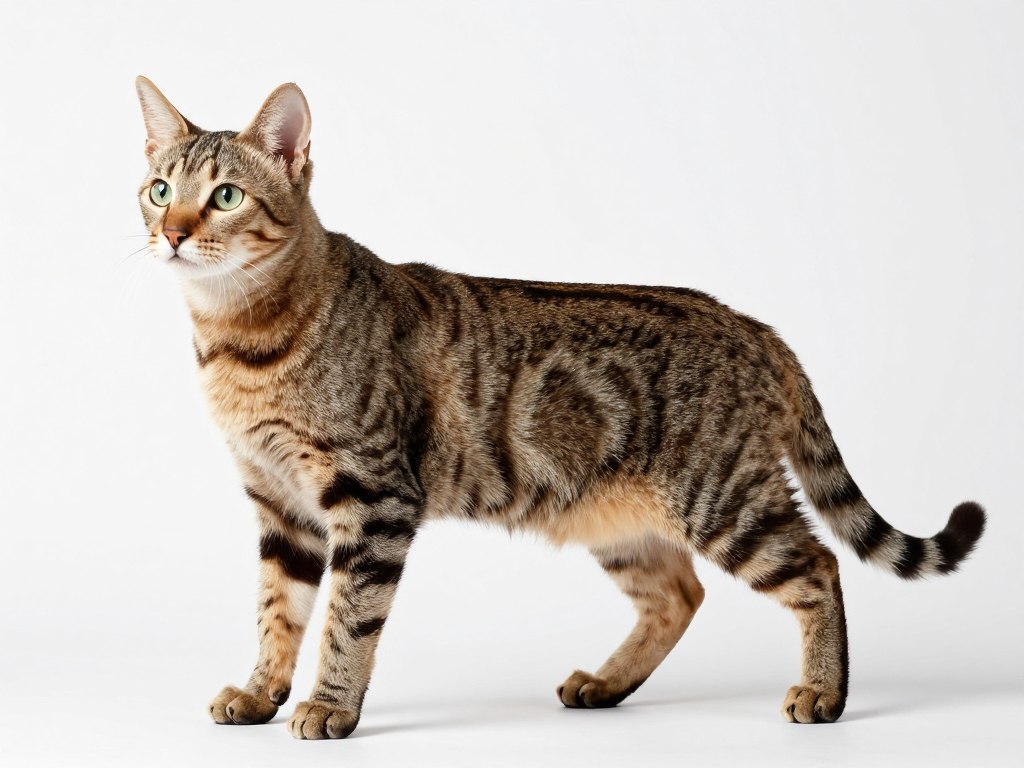
These cats display a naturally athletic and muscular appearance. Their substantial bone structure gives them a powerful look. The body appears rectangular with a broad chest and strong legs.
The Signature Bobbed Tail
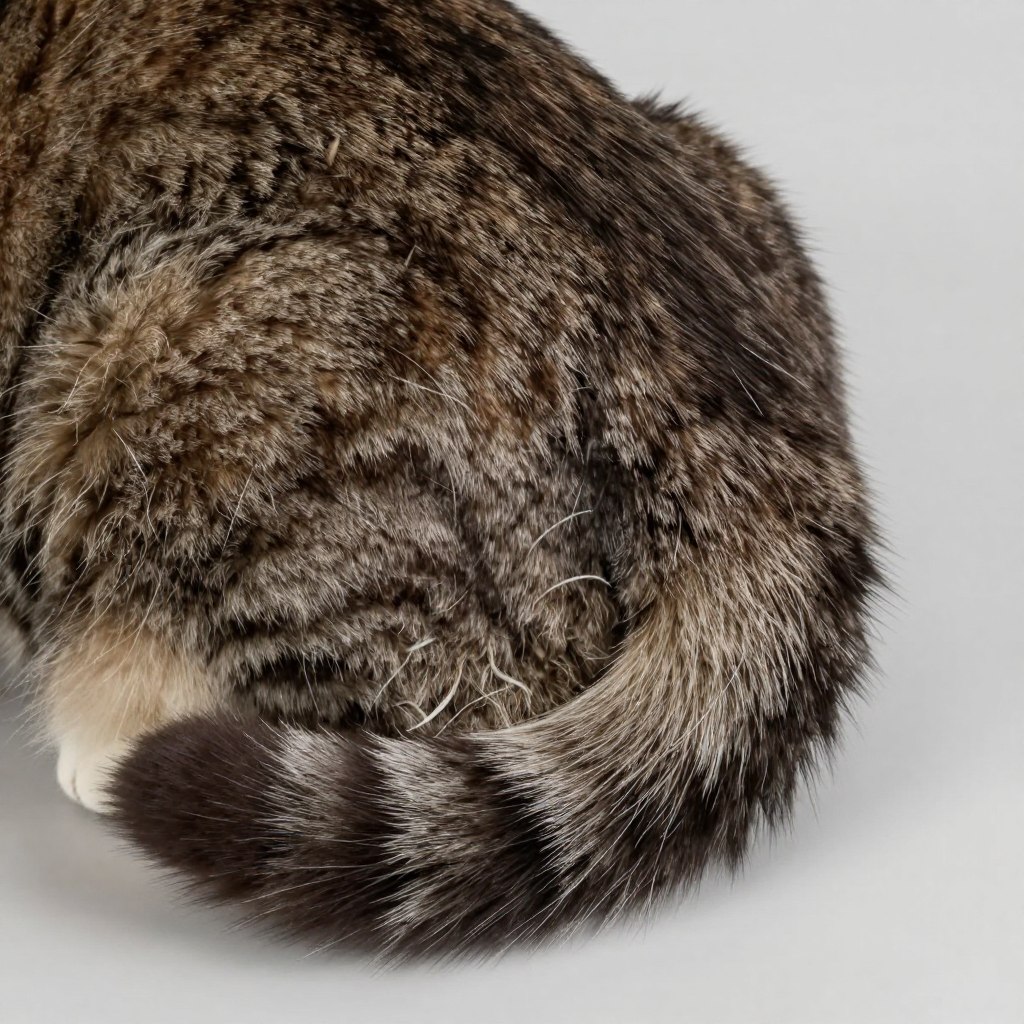
The tail represents the breed’s most recognizable feature. Length varies from one to four inches long. Each American Bobtail has a unique tail that may be straight, curved, or slightly kinked.
Tail flexibility varies among individual cats. Some tails appear rigid while others move expressively. The tail should be visible above the back when the cat stands alert.
Tail Characteristics
- Length ranges from one to four inches
- May be straight, curved, or kinked
- Appears naturally shortened, not docked
- Shows individual variation in each cat
- Visible when cat is alert and standing
Coat Varieties and Color Patterns
American Bobtails come in both short and long coat varieties. The shorthaired version features a medium-length double coat. Longhaired American Bobtails display a shaggy, weather-resistant coat.
The breed accepts all color patterns and shades. Tabby patterns appear most frequently among American Bobtails. Common colors include brown, black, blue, red, and cream variations.
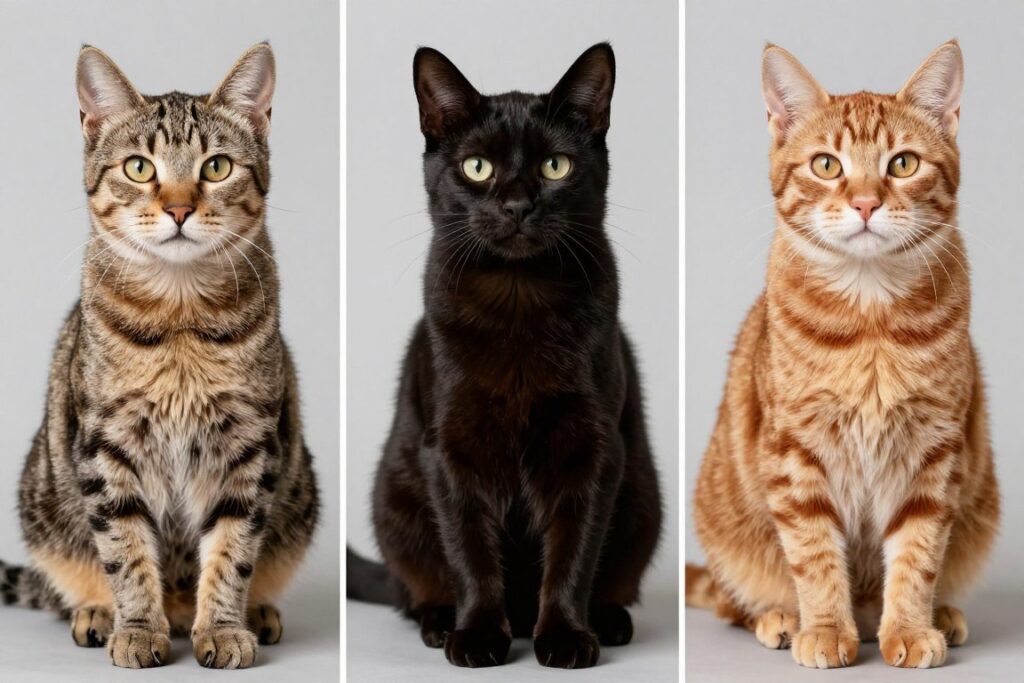
Pattern variations include classic tabby, mackerel tabby, and spotted patterns. Solid colors, bicolors, and color points also appear. This diversity in appearance adds to the breed’s appeal.
Facial Features and Eye Color
The head appears broad and wedge-shaped without extreme features. Ears stand medium-sized with slightly rounded tips. Some cats display ear tufts adding to their wild appearance.
Eye color corresponds with coat color in most cases. Shades range from gold to green and copper. Blue eyes appear in color point patterns. The eyes contribute to the breed’s alert, intelligent expression.
American Bobtail Personality and Temperament
American Bobtails exhibit remarkable intelligence and adaptability. These cats form strong bonds with their human families. Their personality combines confidence with affection in perfect balance.
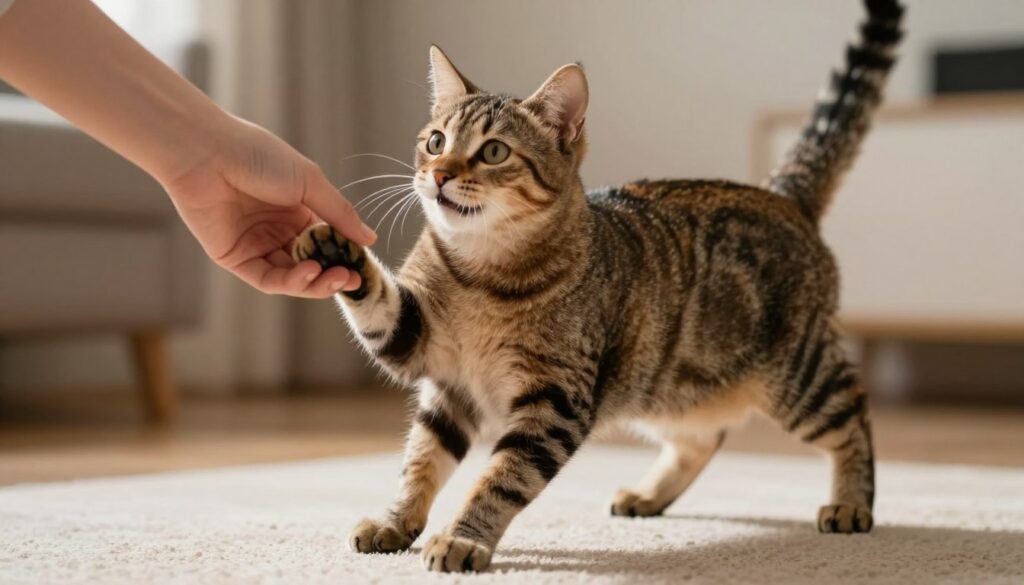
The breed displays dog-like devotion to their people. They follow family members from room to room. American Bobtails often greet owners at the door like canine companions.
Social and Interactive Nature
These cats thrive on social interaction and companionship. They integrate well into households with children and other pets. American Bobtails generally get along with dogs when properly introduced.
The breed enjoys playing games throughout their lives. They learn tricks and respond to their names. Many American Bobtails enjoy playing fetch and walking on leashes.
- Highly social cats that seek human companionship
- Display dog-like loyalty and following behavior
- Adapt well to various household compositions
- Maintain playful personality into adulthood
- Show excellent compatibility with children
- Generally accept other pets including dogs
- Demonstrate high intelligence and trainability
- Communicate vocally but not excessively
Activity Level and Play Requirements
American Bobtails maintain moderate to high activity levels. They need regular mental stimulation and physical exercise. Interactive toys and puzzle feeders keep these intelligent cats engaged.
The breed enjoys climbing and perching at high vantage points. Cat trees and wall-mounted shelves satisfy this natural instinct. They appreciate having multiple play sessions throughout the day.
Important Note: American Bobtails form such strong bonds that they may experience separation anxiety. Consider adopting two cats if you work long hours away from home.
Perfect Family Companion

American Bobtails excel as family pets due to their patient, gentle nature with children and adaptability to busy household routines.
Active Play Partner
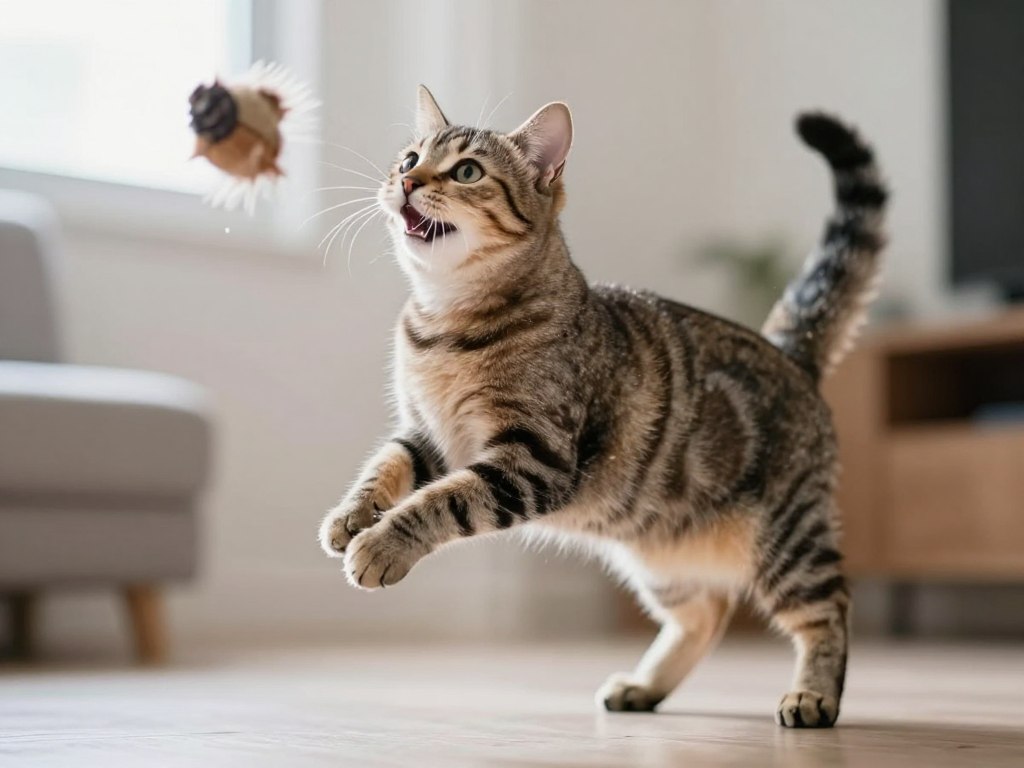
These cats maintain kitten-like playfulness throughout life, requiring daily interactive play sessions and mental challenges to stay happy.
Intelligent Learner
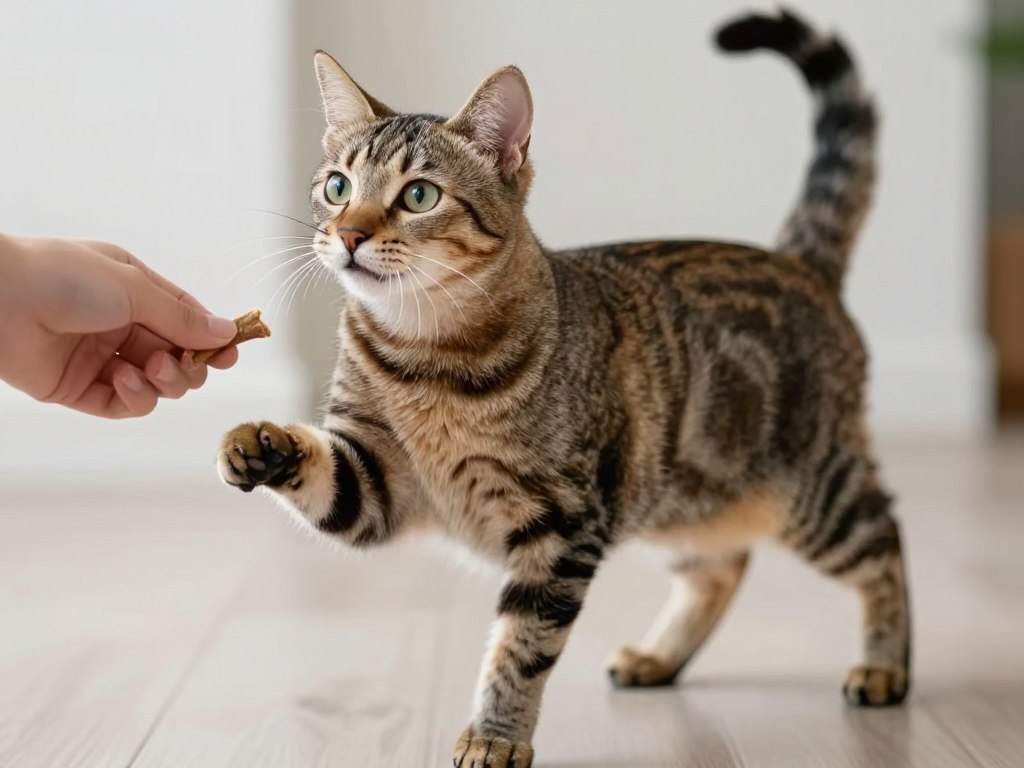
The breed’s high intelligence makes training easy. They learn tricks, respond to names, and can even master leash walking with patience.
Is an American Bobtail Right for Your Family?
Evaluate your lifestyle compatibility with this engaging breed. Our comprehensive adoption readiness guide helps you make the best decision for your household and the cat.
Health Considerations for American Bobtail Cats
American Bobtails enjoy relatively good health compared to many purebred cats. The breed benefits from genetic diversity in its foundation. Most American Bobtails live twelve to fifteen years with proper care.
The genetic mutation affecting the tail does not cause spine or hip problems. This distinguishes American Bobtails from some other short-tailed breeds. The mutation remains isolated to tail development.
Common Health Issues and Concerns
While generally healthy, American Bobtails face certain health considerations. Hip dysplasia occurs occasionally in the breed. This condition affects the hip joint and can cause mobility problems.
Regular veterinary checkups help identify potential health issues early. Preventive care remains essential for maintaining optimal health. Vaccinations, parasite prevention, and dental care support long-term wellbeing.
| Health Concern | Frequency | Prevention/Management | Signs to Watch |
| Hip Dysplasia | Uncommon | Maintain healthy weight, regular exercise | Limping, difficulty jumping, reduced activity |
| Obesity | Moderate | Portion control, active play, quality food | Weight gain, lethargy, difficulty grooming |
| Dental Disease | Common (all cats) | Regular brushing, dental treats, vet cleanings | Bad breath, difficulty eating, drooling |
| Heart Disease | Rare | Annual vet exams, heart screenings | Rapid breathing, lethargy, reduced appetite |
Nutrition and Weight Management
Quality nutrition supports overall health in American Bobtails. High-protein cat food suits their muscular build. Portion control prevents obesity, a common problem in domestic cats.
Fresh water should remain available at all times. Some American Bobtails prefer running water from fountains. Monitoring food intake helps maintain ideal body condition throughout life.
Preventive Health Care
Regular veterinary visits catch problems before they become serious. Annual wellness exams assess overall health status. Senior cats benefit from twice-yearly checkups starting around age seven.
Spaying or neutering provides health benefits beyond population control. These procedures reduce certain cancer risks. They also eliminate behaviors associated with mating instincts.
Health Tip: Schedule annual veterinary checkups even when your American Bobtail appears healthy. Many feline health problems show no visible symptoms in early stages.
Protect Your American Bobtail’s Health
Unexpected veterinary costs can strain any budget. Pet insurance provides financial protection while ensuring your cat receives necessary medical care without difficult decisions.
Grooming and Care Requirements
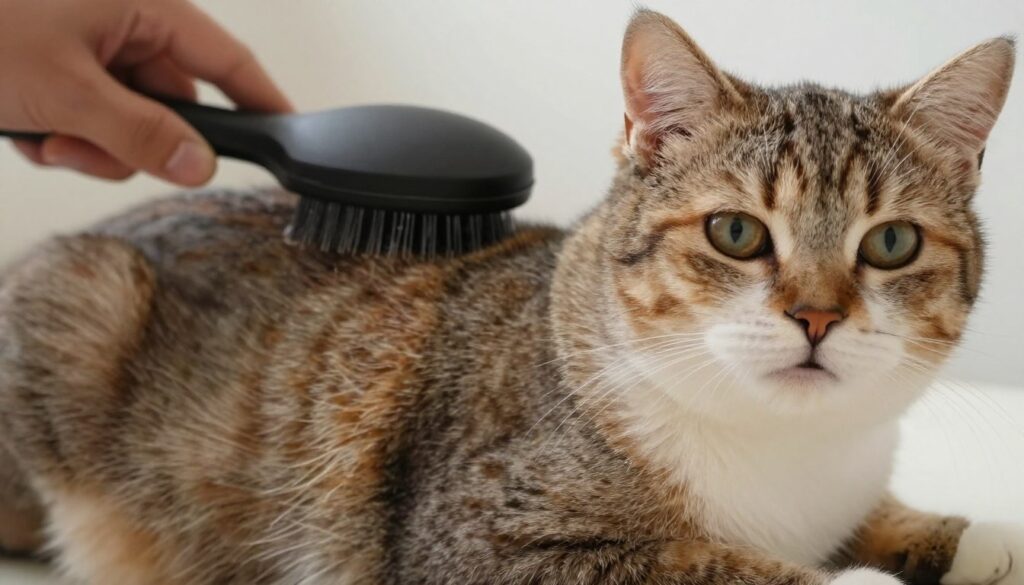
American Bobtails need moderate grooming attention. The shorthaired variety requires less maintenance than longhaired cats. Both coat types benefit from regular brushing to reduce shedding.
Coat Care and Brushing
Weekly brushing suffices for shorthaired American Bobtails. Longhaired varieties need brushing two to three times weekly. This routine prevents matting and reduces hairballs.
Seasonal shedding periods require increased brushing frequency. Spring and fall bring heavier coat changes. Daily brushing during these times manages loose hair effectively.
Shorthaired Coat Care
- Brush once or twice weekly
- Use slicker brush or grooming mitt
- Increase frequency during shedding seasons
- Check for skin issues during brushing
- Minimal bathing needed
Longhaired Coat Care
- Brush two to three times weekly
- Use wide-tooth comb for tangles
- Pay attention to areas prone to matting
- Daily brushing during seasonal sheds
- Occasional bathing helps manage coat
Nail Care and Dental Hygiene
Regular nail trimming prevents overgrowth and splitting. Most American Bobtails need trimming every two to three weeks. Providing scratching posts helps maintain nail length naturally.
Dental care prevents serious health problems. Daily tooth brushing represents the gold standard. Dental treats and toys provide supplemental cleaning between brushing sessions.
Ear and Eye Care
Check ears weekly for dirt, debris, or signs of infection. Clean ears gently with veterinarian-approved solutions when needed. Never insert anything into the ear canal.
Eye discharge may occur occasionally in healthy cats. Wipe away discharge with damp, soft cloth. Excessive discharge or redness requires veterinary attention.
Environmental Enrichment Needs
Mental stimulation ranks as important as physical care. American Bobtails need environmental enrichment to stay happy. Rotating toys maintains interest and prevents boredom.
Window perches provide entertainment through bird watching. Cat trees offer climbing opportunities and territory. Puzzle feeders engage natural hunting instincts during meal time.
Grooming Advantages
- Lower maintenance than many longhaired breeds
- Natural weather-resistant coat stays relatively clean
- Tolerates grooming well due to social nature
- Minimal professional grooming needed
Care Challenges
- Longhaired variety prone to matting without regular care
- High activity level requires time investment
- Strong social needs demand daily interaction
- May resist nail trimming without early training
Master American Bobtail Care
Download our complete care guide with detailed grooming schedules, nutrition recommendations, and health monitoring checklists specifically designed for American Bobtail owners.
Ideal Living Conditions for American Bobtails
American Bobtails adapt to various living situations. They thrive in apartments and houses equally well. The key factor involves attention and interaction rather than space size.
Indoor living protects these cats from dangers and diseases. American Bobtails show contentment as indoor-only pets. They do not require outdoor access to maintain happiness.
Space and Activity Requirements
Vertical space matters more than square footage for cats. Cat trees, shelves, and perches satisfy climbing instincts. Multiple levels throughout the home create an enriched environment.
American Bobtails benefit from designated play areas. Clear floor space allows for active games. Rotate toy locations to maintain environmental novelty and interest.
Family Dynamics and Compatibility
The breed integrates well into active families. Children and American Bobtails form wonderful bonds. Supervision ensures positive interactions, especially with young children.
These cats generally accept other household pets. Proper introductions facilitate smooth integration. Many American Bobtails enjoy feline companionship when appropriately matched.
- Families with children who understand cat behavior
- Active individuals who enjoy interactive play
- Multi-pet households with proper introductions
- Work-from-home environments with constant presence
- Homes with vertical space and enrichment
Best Match Households
- Frequent travel without cat-sitting arrangements
- Long daily absences without feline companion
- Minimal interaction or play time available
- Extremely quiet households preferring independent pets
- Homes unable to provide environmental enrichment
Challenging Situations
Climate Considerations
American Bobtails tolerate various temperature ranges. Their double coat provides insulation in cooler weather. They adapt comfortably to climate-controlled indoor environments.
Avoid temperature extremes regardless of coat type. Provide cool resting spots during summer months. Warm bedding areas appeal during colder seasons.
Travel and Adaptation
The breed’s adaptable nature extends to travel situations. Many American Bobtails handle car trips reasonably well. Early exposure to carriers and vehicles improves travel tolerance.
Some American Bobtails enjoy leash walking after training. This provides outdoor stimulation safely. Always use proper harnesses designed specifically for cats.
Fascinating Facts About American Bobtail Cats
American Bobtails possess numerous unique and interesting characteristics. These facts showcase what makes the breed truly special among domestic cats.
Unique Behavioral Traits
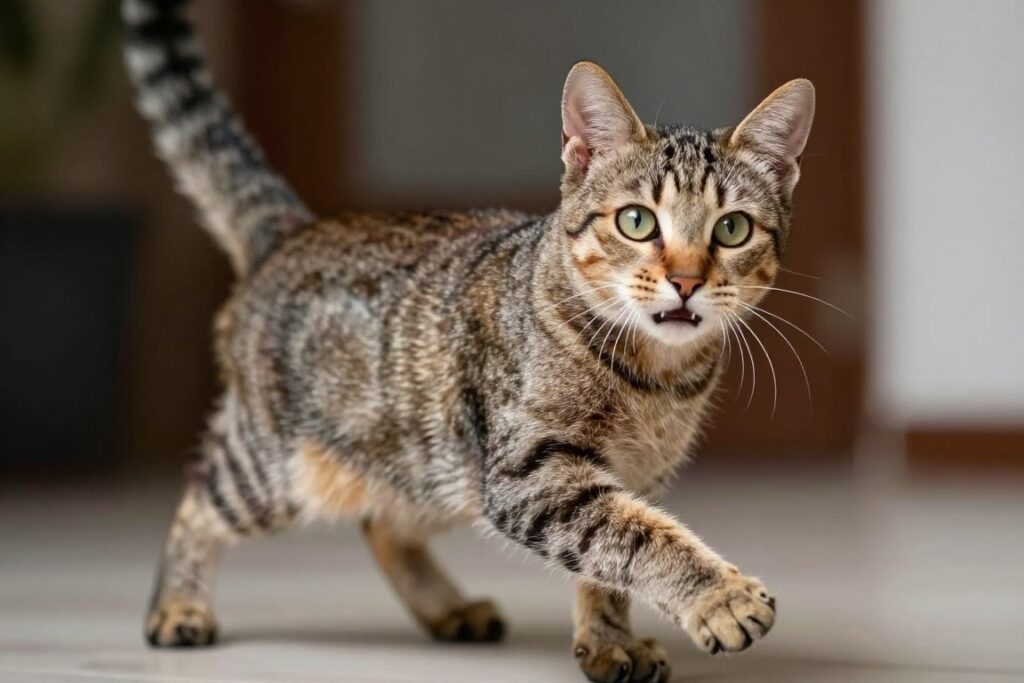
American Bobtails demonstrate remarkable escape artist abilities. They figure out door latches and cabinet mechanisms. This intelligence requires secure environments to prevent wandering.
The breed shows exceptional sensitivity to human emotions. They provide comfort during stressful times naturally. Some American Bobtails work as therapy cats due to this empathetic nature.
Genetic and Physical Uniqueness
Each American Bobtail’s tail appears completely unique. No two tails match exactly in length or shape. This individuality adds to each cat’s distinct character.
The breed develops slowly, reaching full maturity around three years. This extended growth period differs from many cat breeds. Kittens display their playful personality from early ages.
Do American Bobtails get along with dogs?
Yes, American Bobtails typically get along well with dogs. Their dog-like personality and confident nature help them integrate successfully into multi-pet households. Proper introductions remain important for establishing positive relationships.
Are American Bobtails vocal cats?
American Bobtails communicate with soft chirps and trills rather than loud meowing. They vocalize to interact with family members but are not considered excessively noisy cats compared to breeds like Siamese.
How much do American Bobtail kittens cost?
American Bobtail kittens from reputable breeders typically cost between six hundred and twelve hundred dollars. Price varies based on pedigree, color pattern, and breeder location. Show-quality cats command higher prices than pet-quality cats.
Can American Bobtails be trained to walk on a leash?
Yes, many American Bobtails adapt well to leash training. Their intelligence and dog-like nature make them excellent candidates. Start training early with a proper cat harness and positive reinforcement techniques for best results.
Breed Recognition and Standards
Major cat registries recognize American Bobtails today. The breed competes successfully in cat shows. Judges evaluate body type, tail characteristics, coat quality, and overall appearance.
Breed standards specify acceptable tail length ranges. The tail must be clearly visible and proportionate. Both shorthaired and longhaired varieties compete in their respective categories.
- American Bobtails are one of the few naturally occurring bobtailed breeds
- The breed was developed entirely in the United States
- They possess a distinctive hunting chirp sound used during play
- American Bobtails often use their paws like hands to manipulate objects
- The breed appears in popular culture including television and movies
- They rank among the most intelligent domestic cat breeds
- American Bobtails sometimes “talk back” during conversations with owners
- The breed shows remarkable jumping ability despite their stocky build
Choosing and Bringing Home an American Bobtail
Selecting the right American Bobtail requires careful consideration. Research helps identify reputable breeders committed to health and temperament. Responsible breeders provide health guarantees and support.
Finding Reputable Breeders
Quality breeders screen for genetic health problems. They provide complete health records and pedigrees. Visiting the breeding facility allows assessment of living conditions.
Reputable breeders ask potential owners detailed questions. This screening ensures suitable homes for their kittens. They remain available for guidance throughout the cat’s life.
Warning: Avoid breeders who always have kittens available, sell without health guarantees, or refuse facility visits. These red flags indicate potential kitten mills or irresponsible breeding practices.
Adoption Considerations
American Bobtails occasionally appear in rescue organizations. Breed-specific rescues focus on rehoming purebred cats. Adult cats from rescues often make wonderful companions.
Adoption fees typically cost less than purchasing from breeders. Rescued cats usually receive veterinary care before placement. Many adult cats adjust quickly to new homes.
Preparing Your Home
Stock essential supplies before bringing your cat home. Food and water bowls, litter boxes, and scratching posts rank as necessities. Quality cat food appropriate for the kitten’s age supports proper development.
Create a safe initial space for adjustment. New cats benefit from gradual home access. This approach reduces stress and allows confidence building.
Essential Supplies Checklist
- Litter box and high-quality litter
- Food and water bowls (stainless steel preferred)
- Age-appropriate cat food
- Scratching posts and cat tree
- Carrier for vet visits
- Toys for mental stimulation
- Grooming tools (brush, nail clippers)
- Comfortable bedding
First Week Guidelines
- Provide quiet adjustment space initially
- Schedule veterinary wellness exam
- Establish consistent feeding routine
- Begin gentle socialization
- Introduce household members gradually
- Monitor eating and litter box habits
- Start basic grooming routine
- Maintain patient, calm demeanor
Long-Term Success
- Maintain regular veterinary checkups
- Provide daily interactive play sessions
- Keep consistent feeding schedule
- Continue grooming routine
- Offer environmental enrichment
- Build strong bond through quality time
- Monitor health and behavior changes
- Stay connected with breeder or rescue
Questions to Ask Breeders
Prepare specific questions when contacting breeders. Inquire about health testing performed on parent cats. Ask about socialization practices for kittens during critical development periods.
Request references from previous kitten buyers. Reputable breeders willingly provide contact information. Speaking with past customers reveals valuable insights about breeder practices.
Living With Your American Bobtail
American Bobtails bring joy, companionship, and entertainment to their families. Their unique combination of wild appearance and domestic temperament creates an exceptional pet. These cats reward the time and attention invested in their care.
The breed suits various living situations and family types. Their adaptability and social nature make them wonderful companions. American Bobtails thrive when integrated as true family members.
Understanding breed characteristics helps create the best environment. Meeting their physical and emotional needs ensures a happy, healthy cat. The American Bobtail’s loyalty and affection make every effort worthwhile.
Potential owners should carefully evaluate their ability to meet breed needs. American Bobtails require significant social interaction and mental stimulation. Those prepared for an engaging, interactive companion find these cats absolutely rewarding.
The decision to bring any pet home deserves thoughtful consideration. Research, preparation, and commitment create the foundation for success. American Bobtails offer years of devoted companionship to those ready for the commitment.
Begin Your American Bobtail Journey
Ready to welcome an American Bobtail into your home? Access our complete resource package including breeder directory, care guides, and new owner support materials.
Leave a Reply